

COMMENTARY: The Pope’s trip to Turkey and Lebanon yielded tangible results — strengthening Orthodox-Catholic ties and issuing urgent appeals for peace as Lebanon faces the threat of another war.
Papal visits are always deeply rewarding to those fortunate enough to be blessed by one, and they are usually rich in symbolism. But let’s face it: In our cold, cynical world, they can sometimes be lacking in actual consequences.
That cannot be said of Pope Leo XIV’s first apostolic journey, which took him to Turkey and Lebanon. Both legs of the trip, aside from the protocol and the diplomatic niceties, mattered in substantial, “real-world” ways — ways that will have concrete consequences sooner or later.
Although general themes overlapped to some extent in both countries (as we shall see), each stop had a tangible result, what we former diplomats used to call “deliverables” when we had a visit by the president or secretary of state.

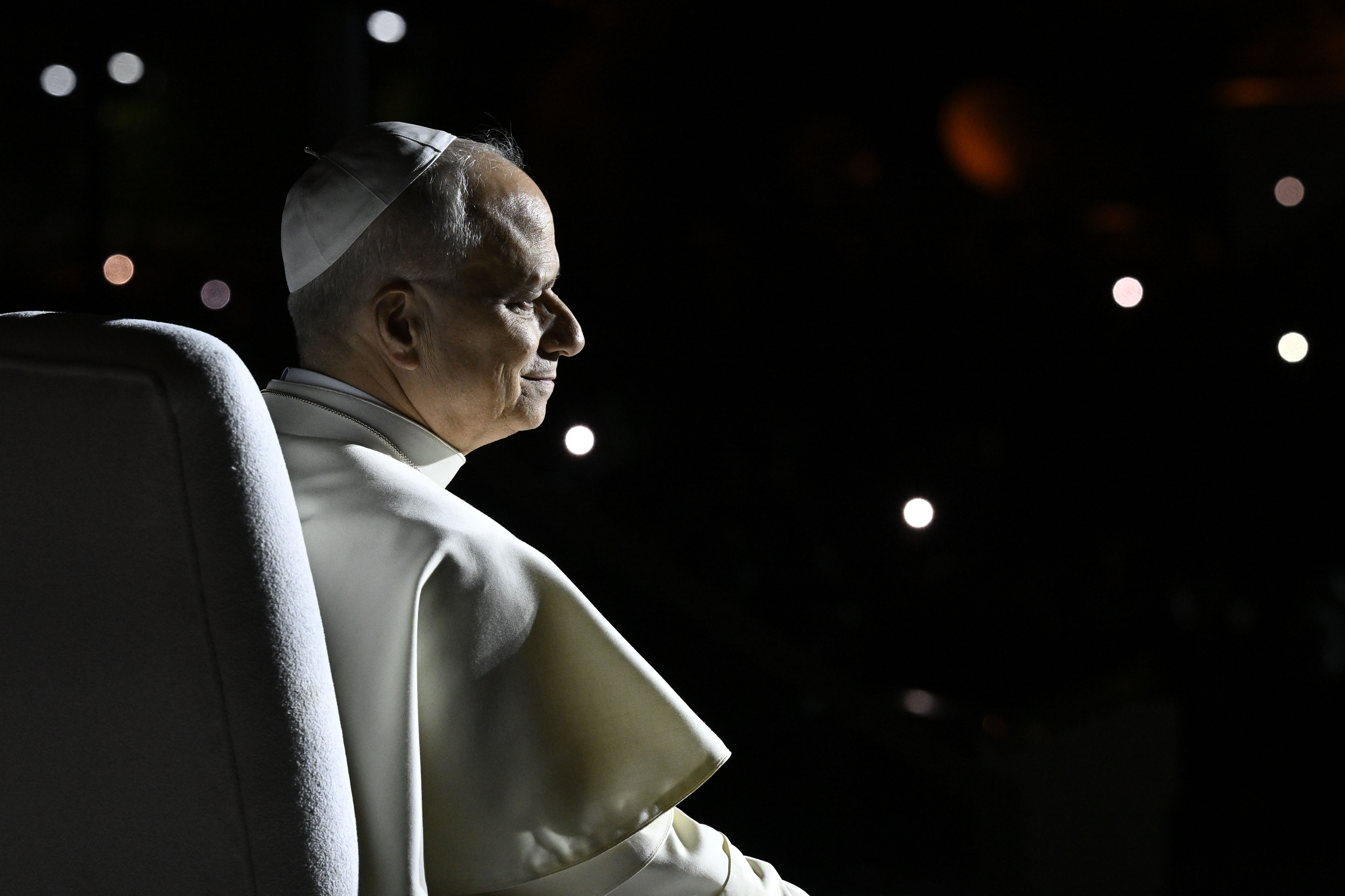
Turkey — for the commemoration of the Ecumenical Council of Nicaea — was all about ties with the world of Eastern Orthodoxy, a subject that has been of interest to past popes, and especially to the late Pope Francis.
We are seeing concrete steps to heal the breach of the Great Schism of 1054. It was 60 years ago this year that Pope St. Paul VI and Ecumenical Patriarch Athenagoras lifted the mutual excommunications of 1,000 years ago. In Istanbul, Pope Leo and the current patriarch of Constantinople, Bartholomew I, signed a document pledging greater unity, including working toward a common date for Easter. Both reaffirmed their support for the joint theological commission of Catholics and Orthodox currently examining the thorniest issues between the two Churches
This theme of closeness with the Eastern Churches carried over to Beirut, where, on Dec. 1, Pope Leo met with the four Catholic patriarchs resident in Lebanon — Maronite Catholic, Armenian Catholic, Syriac Catholic and Melkite Catholic — and the other Catholic patriarchs in the East — Chaldean Catholic (resident in Baghdad), Coptic Catholic (based in Cairo) and the Latin patriarch of Jerusalem, Cardinal Pierbattista Pizzaballa. They were later joined by three key non-Catholic patriarchs — Aram I of the Armenian Orthodox, Aphrem II of the Syriac Orthodox, and the Greek Orthodox Patriarch of Antioch, John X, who is based in Damascus.

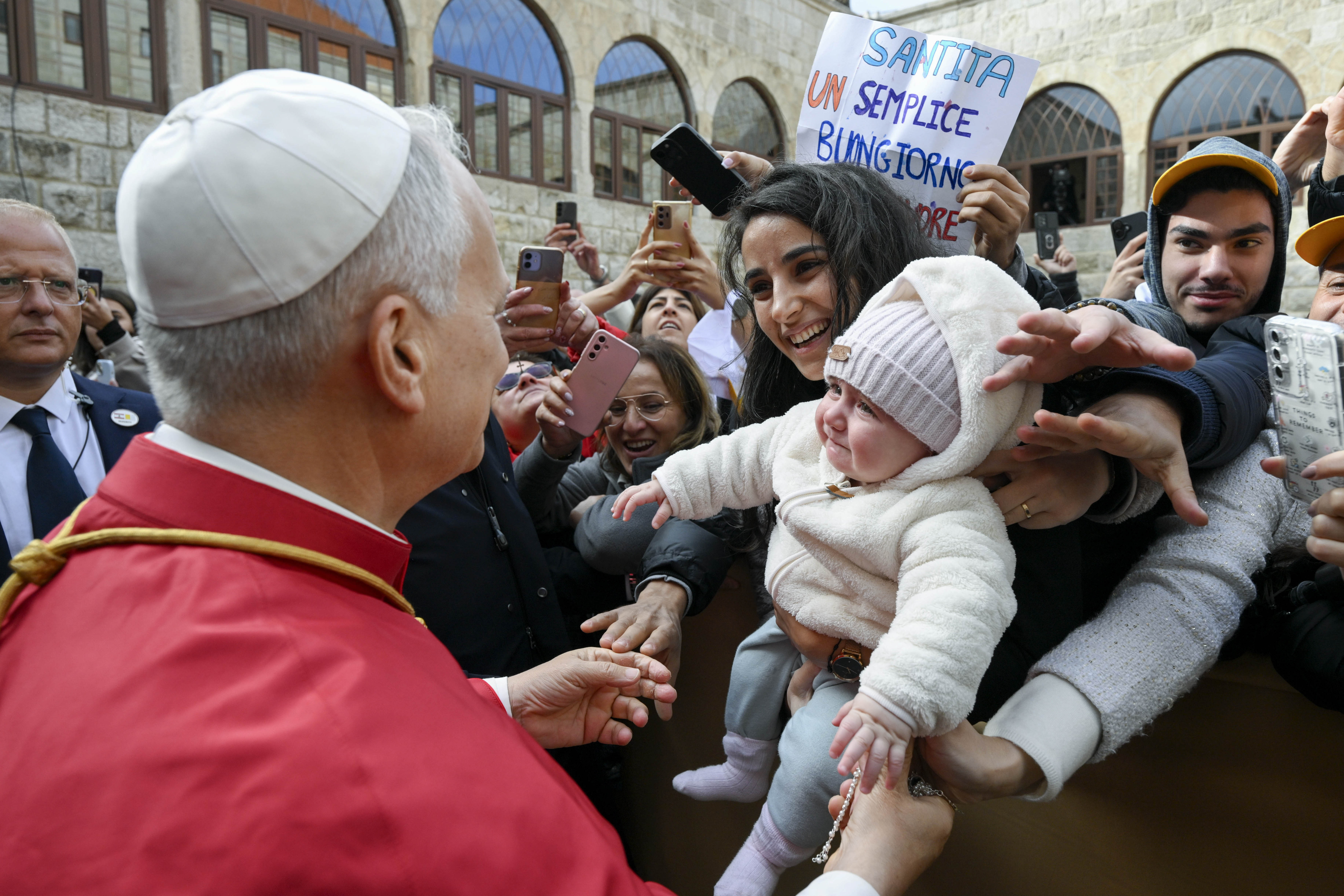
While the date for Easter was certainly discussed, many other burning topics would have been as well. All the Eastern Churches face the same challenge of emigration and of confronting anti-Christian religious or nationalist extremism.
The Istanbul/Beirut meetings would have been the largest papal meeting with the Eastern Churches since Pope Francis’ meeting in Bari, Italy, in July 2018. The theme in Bari was to pray for the persecuted Christians of the Middle East, which is still quite timely — unfortunately. There were important absentees, of course. Neither the largest of the Orthodox Churches — the Russian Orthodox, currently in conflict with Constantinople — nor the patriarch of the largest of the Middle East Churches — Coptic Orthodox Patriarch Tawadros II of Egypt — was present.
If a focus on Church unity dominated the Turkish part of the trip (and was also present in Beirut), the dominant public papal message to Lebanon was one of peace. Now, popes talk about peace all the time. But the difference here is that he was talking to a country and its leaders that could be on the verge of another open-ended, destructive war within days or weeks of the Pope’s departure. It was not peace in the abstract, or “peace in the nice to have but not an immediate concern” category, but an emergency message.
In October 2023, the Iranian-backed Lebanese terrorist group Hezbollah decided to join in on the war between Hamas and Israel. Hezbollah received a battering, and, eventually, a 60-day ceasefire agreement between Israel and Lebanon was signed on Nov. 27, 2024. The ceasefire expired the week after the new Trump administration entered office. Neither Lebanon, which was to disarm Hezbollah, nor Israel, which was supposed to withdraw from Lebanon once Hezbollah had been disarmed, has kept up its part of the deal.
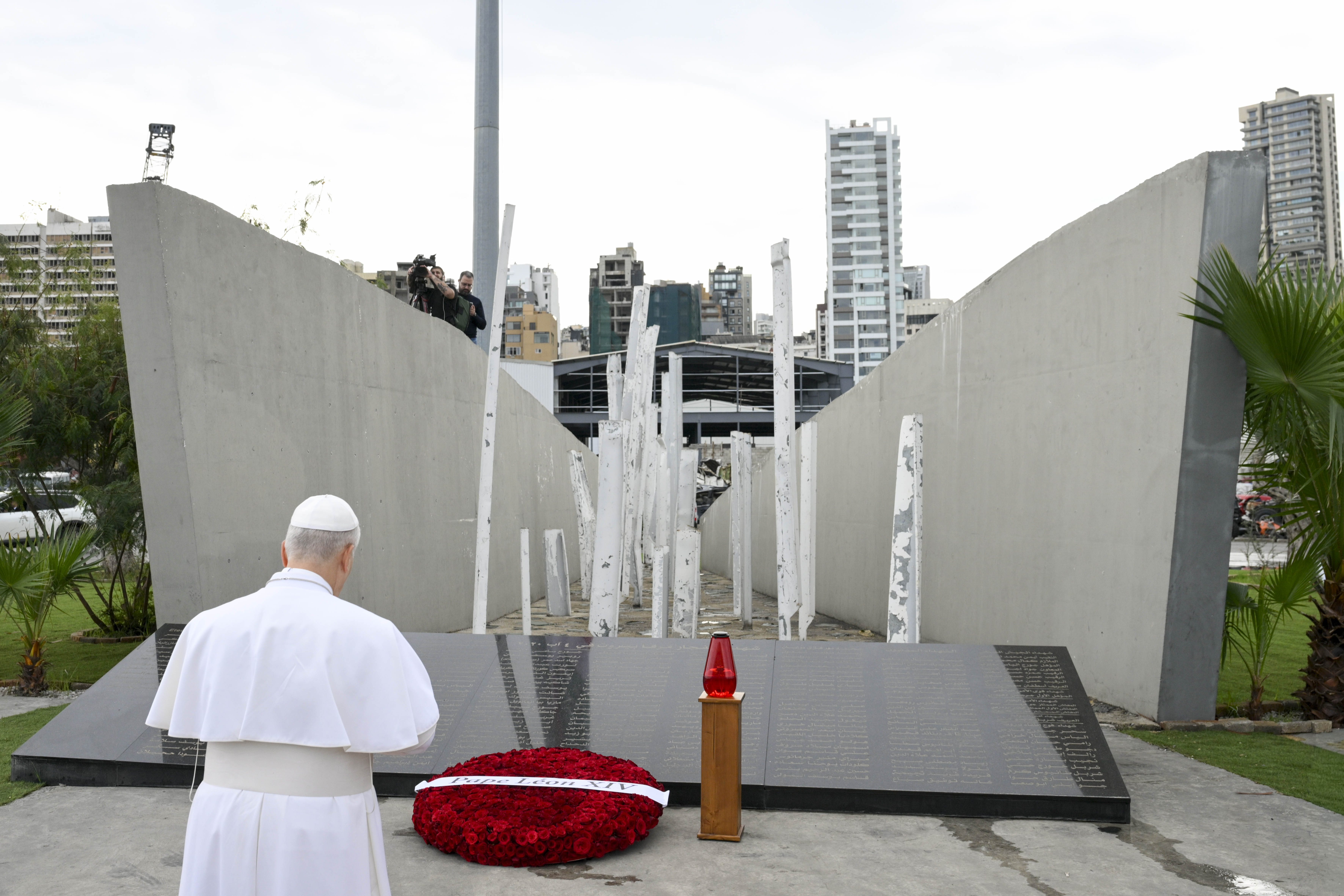
Iran has reportedly rushed $1 billion in cash and more weapons to keep Hezbollah viable. Israel has struck Hezbollah targets of opportunity in Lebanon when they present themselves, including eliminating a senior Hezbollah military leader in Beirut less than a week before the arrival of the Pope.
Melkite Catholic Patriarch Youssef Absi said that Pope Leo had come “to strengthen his brothers and sisters in Lebanon and the troubled East,” consciously echoing the Lord’s words to Peter: “I have prayed for you that your own faith may not fail; and you, when once you have turned back, strengthen your brothers” (Luke 22:32). Calling for peace in the face of possible imminent war and strengthening the brethren before a rising storm is not hypothetical or symbolic but urgent and real.
While the Lebanese government set for itself a deadline of the end of 2025 for disarming Hezbollah, no one sees that happening. The government is treating the 2024 ceasefire the same way it treated U.N. Security Council Resolution 1701, which ended a past war in 2006: as a document to agree to but not actually implement. The resolution called for demilitarizing southern Lebanon and disarming Hezbollah. The government seems to expect others — Israel, the Americans — to do the heavy lifting for them.
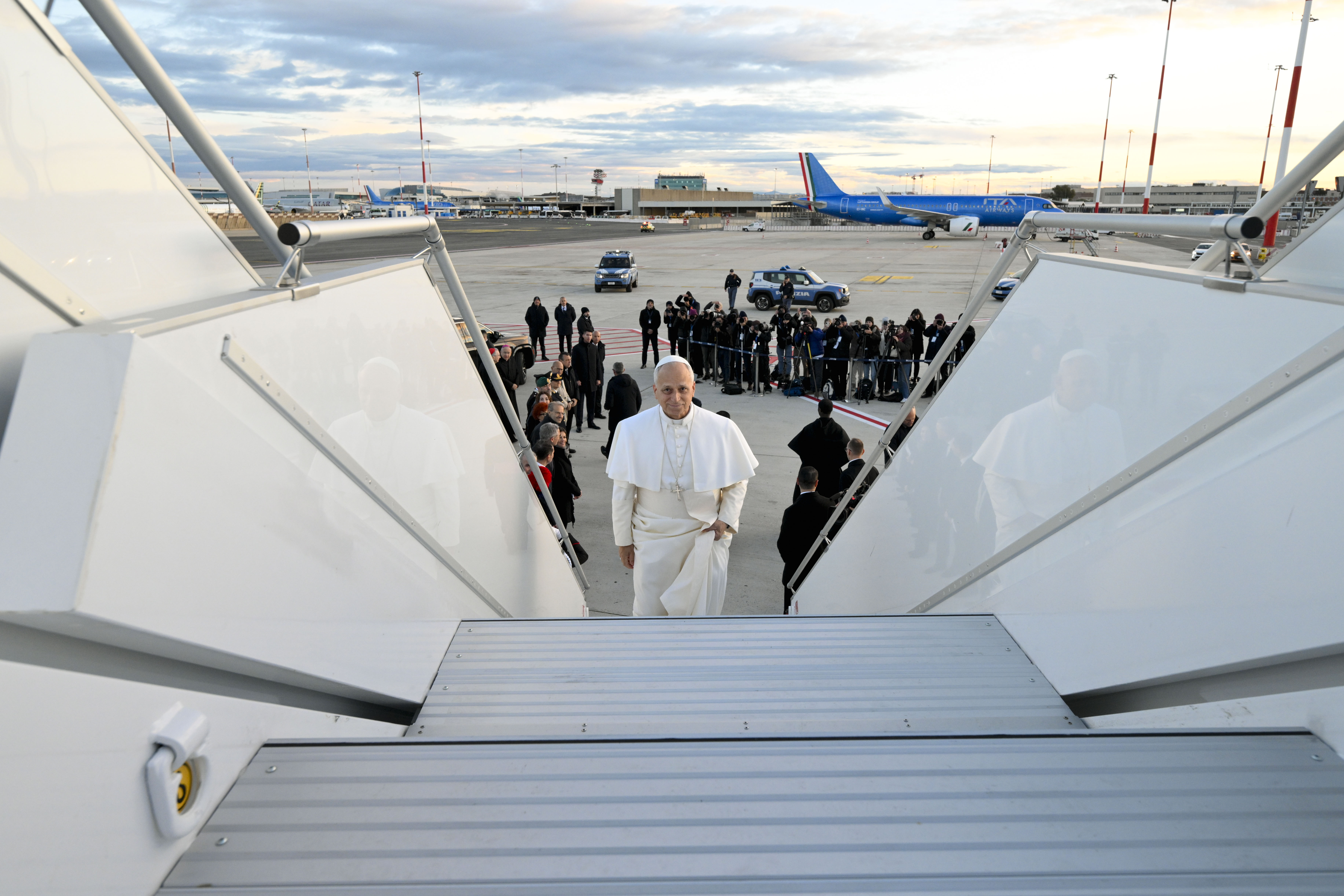
Pope Leo remarked on the plane back to Rome that he had “begun, in a very small way, a few conversations” with international leaders on peace in Lebanon. He added that he believed that it is possible that peace can once again come to Lebanon and the region. But such a peace is not going to come through the continued armed presence of Hezbollah, an engine fabricated by Iran as a perpetual war machine.
The Pope was in Lebanon, to paraphrase Tolkien, speaking to the faithful at the point of “the deep breath before the plunge,” right before the looming crisis, one that could remake Lebanon, as a brand plucked from the fire, or break it forever.