<p><!-- BEGIN THEIA POST SLIDER --></p>
<p> <br />
</p>
<div>
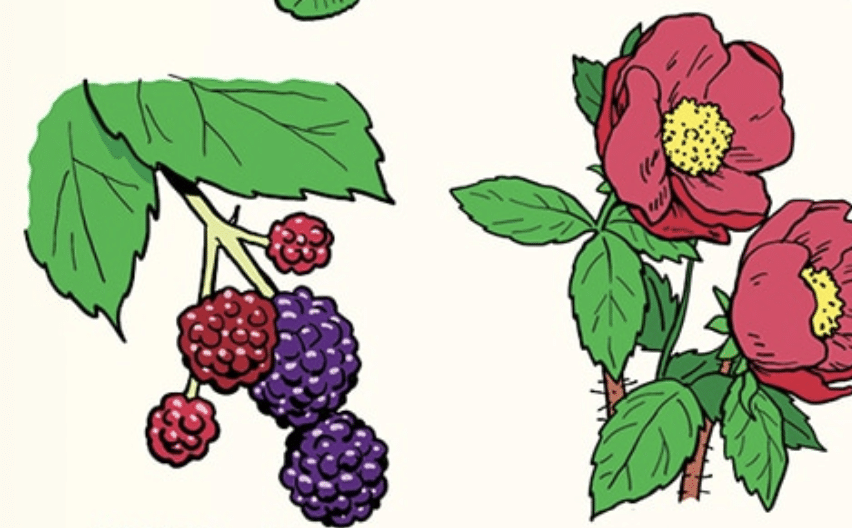
<p>Out in the wild, <a href="https://www.artofmanliness.com/skills/outdoor-survival/surviving-in-the-wild-19-common-edible-plants/">food is usually closer than you think</a>. The challenge isn’t necessarily finding edible plants, but knowing which of those around you can be safely consumed, whether it’s as a survival ration or simply a quick snack while out on the trail. The field guide above highlights a handful of common, easy-to-recognize options that can give you a quick boost of calories, nutrients, or hydration when you’re out in the wild.</p>
<p>Foraging does come with real risks, however. Your foundational rule should be: <strong>Never eat a plant you can’t confidently identify. If you’re unsure, leave it alone.</strong> As a general guideline, avoid plants with milky sap, thorns, or umbrella-shaped flowers unless you know exactly what you’re dealing with. And skip mushrooms entirely unless you’re an expert — they’re notoriously easy to misidentify.</p>
<p>Even with safe plants, start small. Your body may not react well to unfamiliar foods, and it’s better to find that out with a bite than a meal. If you’re ever in doubt, <a href="https://www.artofmanliness.com/skills/outdoor-survival/how-to-test-if-a-plant-is-edible/">you can use the universal edibility test</a>, but know that it takes time and isn’t foolproof.</p>
<p>Learn these few plants well, and you’ll start to see the landscape differently — not just as scenery, but as a potential pantry. </p>
<p><a href="http://www.storytellersworkshop.com"><em>Illustrated by Ted Slampyak</em></a></p>
</div>
<p><br />
<br /><a href="https://www.artofmanliness.com/skills/outdoor-survival/edible-plants-field-guide/">Source link </a></p>
<p><!-- END THEIA POST SLIDER --></p>

A Field Guide to Common Edible Plants