<p><!-- BEGIN THEIA POST SLIDER --></p>
<p> <br />
</p>
<div style="position:relative" data-narration-container="true">
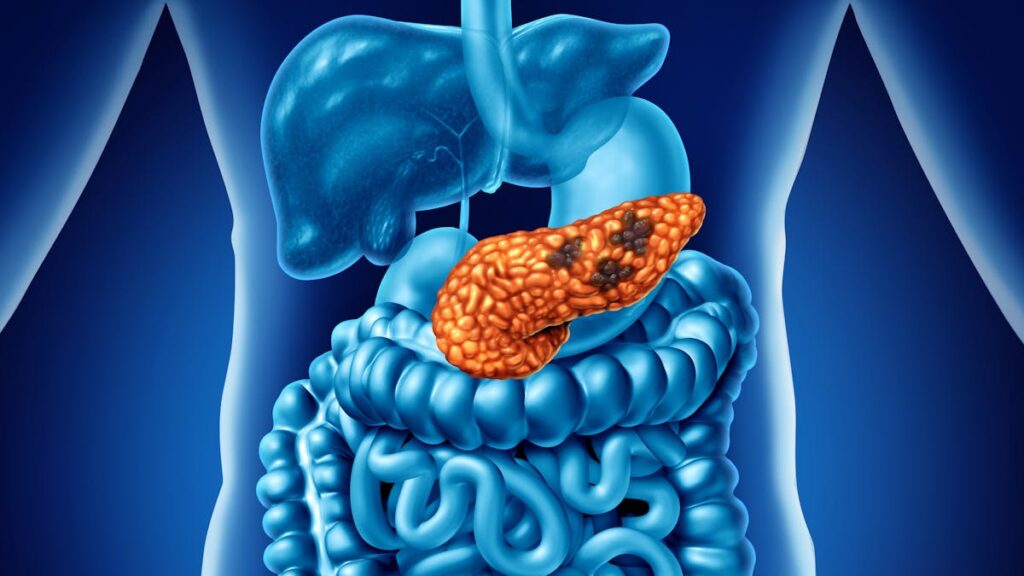
<p style="font-weight:400">In a milestone for oncology, Mayo Clinic researchers have <a href="https://newsnetwork.mayoclinic.org/discussion/mayo-clinic-ai-detects-pancreatic-cancer-up-to-3-years-before-diagnosis-in-landmark-validation-study/" target="_blank" rel="noopener">validated</a> an artificial intelligence model capable of detecting pancreatic cancer on routine CT scans up to three years before a clinical diagnosis.</p>
<p style="font-weight:400">The system, <a href="https://gut.bmj.com/content/early/2026/04/22/gutjnl-2025-337266" target="_blank" rel="noopener">detailed</a> in the journal <em>Gut</em>, identifies subvisual biological “signatures” in the pancreas while the organ still appears entirely normal to the human eye.</p>
<p>“The greatest barrier to saving lives from pancreatic cancer has been our inability to see the disease when it is still curable,” said Dr. Ajit Goenka, a Mayo Clinic radiologist and the study’s senior author. “This AI can now identify the signature of cancer from a normal-appearing pancreas.”</p>
<p>Pancreatic ductal adenocarcinoma is currently on track to become the second-leading cause of cancer death in the U.S. by 2030. Because the disease is notoriously “silent” in its early stages, more than 85% of patients are diagnosed only after the cancer has metastasized. Consequently, five-year survival rates remain stalled below 15%.</p>
<p style="font-weight:400">The AI framework, known as the Radiomics-based Early Detection Model (REDMOD), was put to the test against nearly 2,000 CT scans. These included images from patients who were later diagnosed with cancer, but whose original scans had been cleared as “normal” by medical professionals.</p>
<p style="font-weight:400">The results were amazing. REDMOD identified 73% of pre-diagnostic cancers at a median lead time of 16 months before a formal diagnosis. The AI was nearly twice as effective as expert radiologists, who identified only 39%of the same cases upon re-review, and in cases where scans were taken more than two years prior to diagnosis, the AI was three times more likely than a human to flag the impending disease.</p>
<p style="font-weight:400">Unlike traditional diagnostics that look for a visible mass or lump, REDMOD analyzes 40 specific “radiomic” features — microscopic patterns in tissue texture and structure. Roughly 90% of these markers are invisible to the naked eye and are only captured through multi-scale image filtering.</p>
<p style="font-weight:400">The model is fully automated and designed to run on scans already being performed for other reasons, such as monitoring patients with new-onset diabetes. To ensure the tool wasn’t just a “lab success,” researchers validated it using data from multiple institutions and various CT scanner brands, proving it can function reliably in diverse hospital settings.</p>
<p style="font-weight:400">Mayo Clinic is now moving this technology into the “prospective” phase through a study called AI-PACED. This initiative will evaluate how doctors can best use AI alerts in real-time to guide patient care without causing unnecessary alarm or “false positives.”</p>
<p style="font-weight:400">The research is a pillar of Mayo’s Precure initiative, which seeks to flip the script on deadly diseases by identifying the very first biological ripples of illness long before symptoms emerge. By shifting the timeline from late-stage reaction to proactive “interception,” specialists hope to finally move the needle on one of medicine’s most difficult prognoses.</p>
</div>
<p><br />
<br /><a href="https://www.dailywire.com/news/game-changer-ai-detects-silent-killer-cancer-3-years-before-diagnosis">Source link </a></p>
<p><!-- END THEIA POST SLIDER --></p>

AI Detects Silent Killer Cancer 3 Years Before Diagnosis