<p><!-- BEGIN THEIA POST SLIDER --></p>
<p> <br />
</p>
<div>
<p>Scientific analysis indicated that the cause was natural.</p>
</p></div>
<div>
<p>Following an investigation into a possible Eucharistic miracle at a local parish, the Archdiocese of Indianapolis announced Monday that scientific analysis indicated that the cause was natural, not miraculous. </p>
<p>Last month, a post on X <a href="https://www.catholicnewsagency.com/news/262581/indianapolis-archdiocese-investigates-possible-eucharistic-miracle" target="null">drew attention</a> to what the post called a “‘potential’ Eucharistic miracle” after a parish in southern Indiana discovered a host with red spots on it, which the parish sacristan thought could be blood. </p>
<p>The Archdiocese of Indianapolis said in a statement shared with CNA that laboratory analysis of common bacteria had caused the discoloration. </p>
<p>“A biochemical analysis of a host from St. Anthony Catholic Church in Morris, Indiana, that was displaying red discoloration revealed the presence of a common bacteria found on all humans,” the statement read. “No presence of human blood was discovered.” </p>
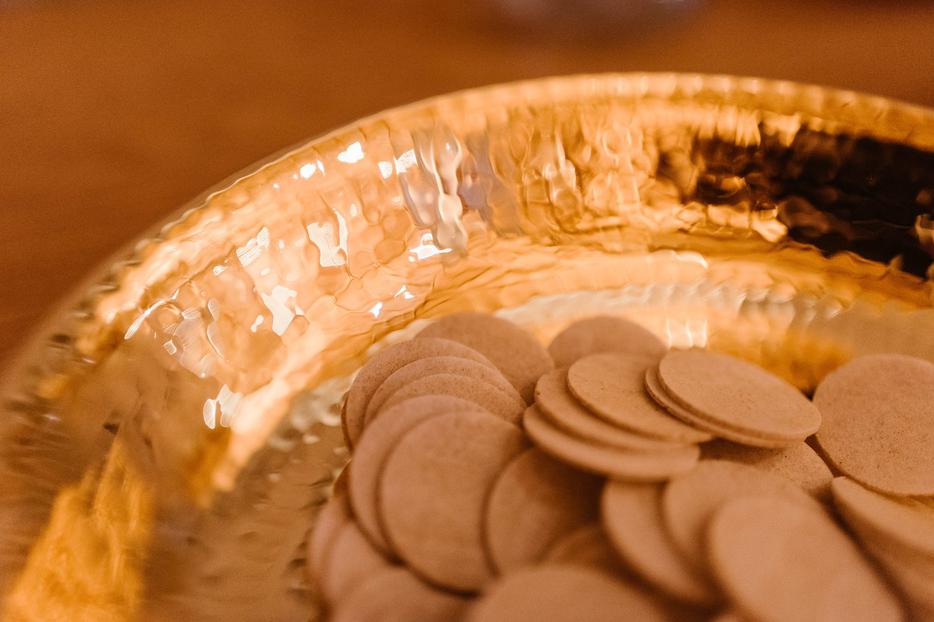
<p>The host had fallen and was later discovered with red spots, and biochemical analysis found that the discoloration was due to common bacteria and fungus.</p>
<p>“The host had fallen out of a Mass kit used at the parish, and when it was discovered, red spots were present,” the archdiocese stated. “Following policy established by the Holy See, the host was submitted for professional, biochemical analysis at a local laboratory. The results indicate the presence of fungus and three different species of bacteria, all of which are commonly found on human hands.” </p>
<p>The archdiocese noted that there have been many carefully reviewed miracles in the history of the Church. </p>
<p>“Throughout the history of the Catholic Church, there have been well-documented miracles and apparitions, and each has been thoroughly and carefully reviewed,” the statement read.</p>
<p>Last year, the Vatican developed its practice regarding potential supernatural events, issuing <a href="https://www.vatican.va/roman_curia/congregations/cfaith/documents/rc_ddf_doc_20240517_norme-fenomeni-soprannaturali_en.html" target="null">new guidelines</a> that give the Disastery for the Doctrine of the Faith the final say. </p>
<p>Previous norms established by Pope Paul VI in 1978 left the discernment process for possible miraculous occurrences to local bishops. Under the new guidance, the task remains with the local bishop, but the dicastery must be consulted throughout the process.</p>
</p></div>
<p><br />
<br /><a href="https://www.ncregister.com/cna/indianapolis-archdiocese-lab-results-indicate-discolored-host-was-not-miraculous">Source link </a></p>
<p><!-- END THEIA POST SLIDER --></p>

Lab Results Indicate Discolored Host Was ‘Not Miraculous’| National Catholic Register