

VATICAN CITY — From the center of Rome, looking westward, an iconic shape appears on the horizon; a church dome, topped by a cross, reaches 448 feet into the sky.
In 2026, St. Peter’s Basilica, which marks the spot where the apostle and first pope — St. Peter — was laid to rest after dying for Christ, celebrates the 400th anniversary of its consecration.
Mere miles from the ruins of the ancient Roman Empire, one of the largest churches in the world stands as a testament to the power of martyrdom.
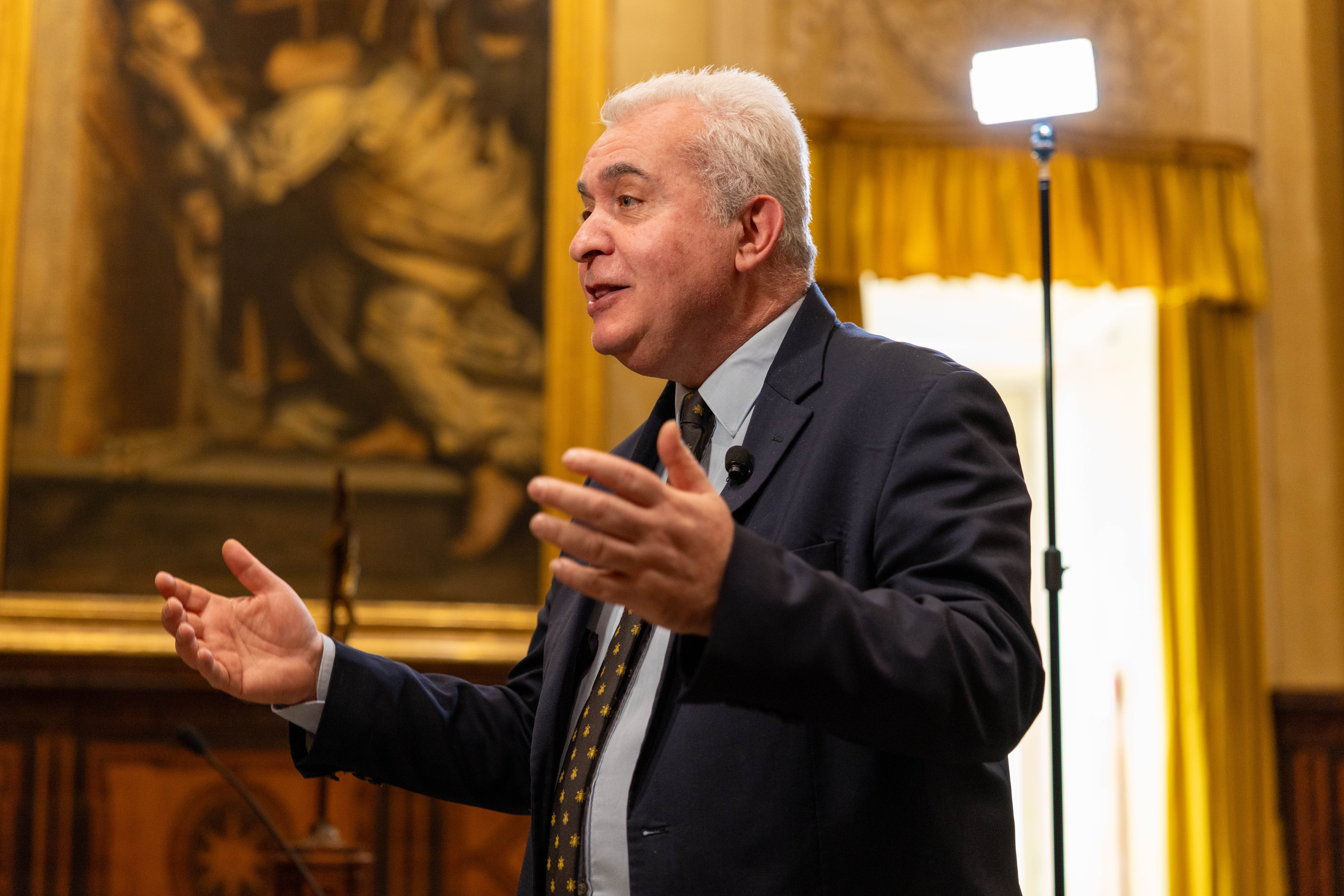
“Beneath the dome lie 2,000 years of devotion and history in a single place, one layer upon another,” archeologist Pietro Zander, head of the cultural heritage department of the Fabbrica di San Pietro, told the Register. “This is where it happened: St. Peter was martyred … and he was buried here.”

Today, pilgrims and sightseers from around the world continue to stream to a site rich with historical, artistic, and spiritual significance.
“It’s a very different world from when this church was inaugurated in 1626. And yet there is one beautiful thing that remains the same … and that’s the arrival of the people,” said Elizabeth Lev, art historian, lecturer and longtime Rome guide, in an interview with the Register.
The plan was always to welcome as many people as possible to “the parish church of the whole world,” she said.
A Living Tradition
Lev said people from around the world come to the Eternal City to see the Colosseum and other ruins of ancient Rome, “but that amazing society which gave us so much, from engineering to law, we look at it now submerged in the dirt. … It’s a society that died.”
“And then you walk across the river and emerging from the site where that empire executed a fisherman from Galilee,” we see the “head and shoulders of the basilica emerging onto the landscape,” she said, “something that is very much alive as the successor of St. Peter [the pope] draws the crowds to him.”
The St. Peter’s basilica (known as “Old St. Peter’s”) that was erected under Constantine in the 300s had been built using the Roman necropolis, in which its namesake had been buried, as its foundations. Just south of the basilica once stood the Circus of Nero, an ancient arena that also became the site of the mass martyrdom of Christians, art historian Fulvio De Bonis recalled.
A travel guide who leads hundreds of visitors, including many non-Christians, to St. Peter’s every year, De Bonis told the Register, “No one sees the basilica as a relic of the past, something obsolete or ancient. And that, in my opinion, is what makes the basilica so successful.” The artists created a “work of art that continues to live on, evolving over the years.”
“What excites people about the Vatican is this living tradition,” Lev said, “a tradition that comes out of oppression, comes out of persecution, comes out of brutality, and has always put a face forward that is so beautiful and is still standing today to preach about beauty, truth and goodness.”
On the Tomb of Peter
St. Peter was martyred in A.D. 64, under Emperor Nero, in the circus close to where he would be buried. After his death, “crowds flocked [to his burial site] from every part of the world,” Zander explained. A church “grew up around that tomb,” and when the ancient basilica was built, the site had already been a place of devotion for more than 200 years.
According to Lev, “When the first basilica to St. Peter was built in 326 by Emperor Constantine, there were two things it had to have: One, it had to be exactly at the point of St. Peter. Two, it had to be big.”

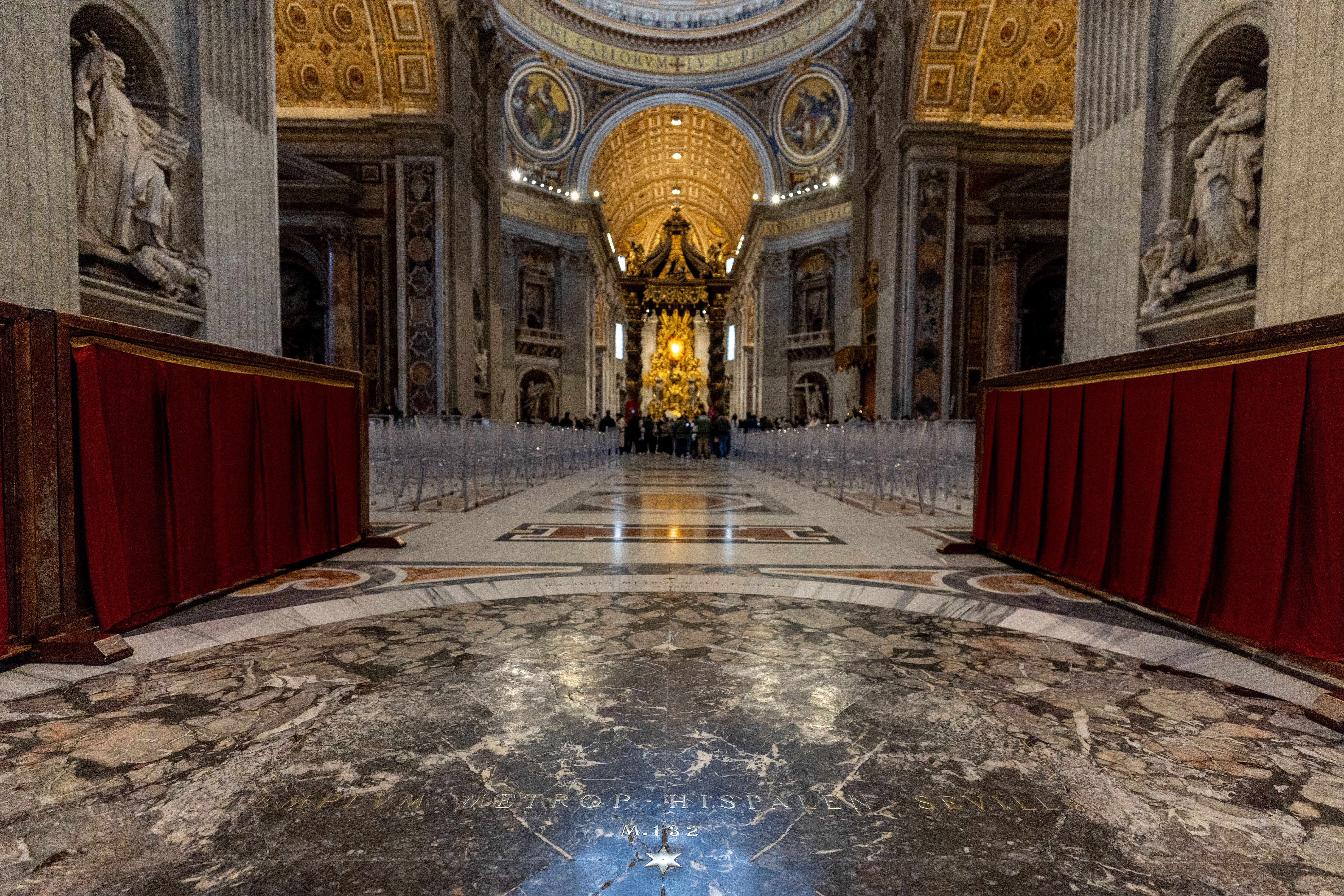
The Constantinian basilica stood for 1,200 years. It was large, “but by then it was no longer as spacious as it needed to be” for all of the people arriving, Zander said. “It showed its age, and its structure was beginning to give way.”
Failed attempts at restoring and enlarging the ancient basilica finally led to the resolution to tear it all down and begin again. In 1506, Pope Julius II laid the first stone of what would become the “new basilica.”
Julius II also instituted the Fabbrica di San Pietro as the basilica’s “factory” to oversee the construction and decoration of the church, which is now responsible for the conservation of the basilica’s artistic patrimony. The Fabbrica also oversees a historic archive in rooms above the basilica’s ceiling.

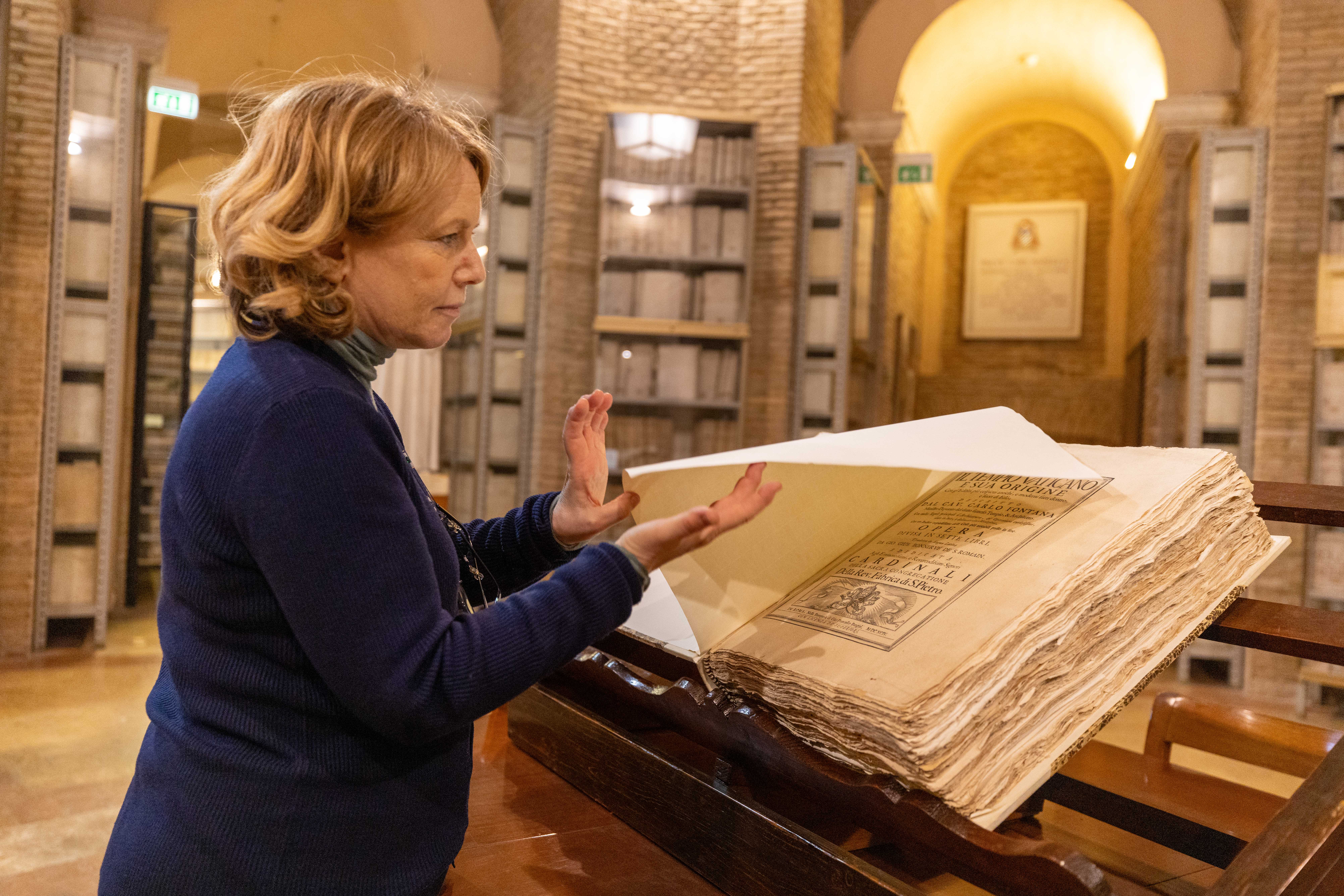
The archive’s documents — dating from 1513 to today — “include a description of the work, the cost of the work, and the payment receipt; by putting these papers in order, we can piece together the history of St. Peter’s,” Zander said.
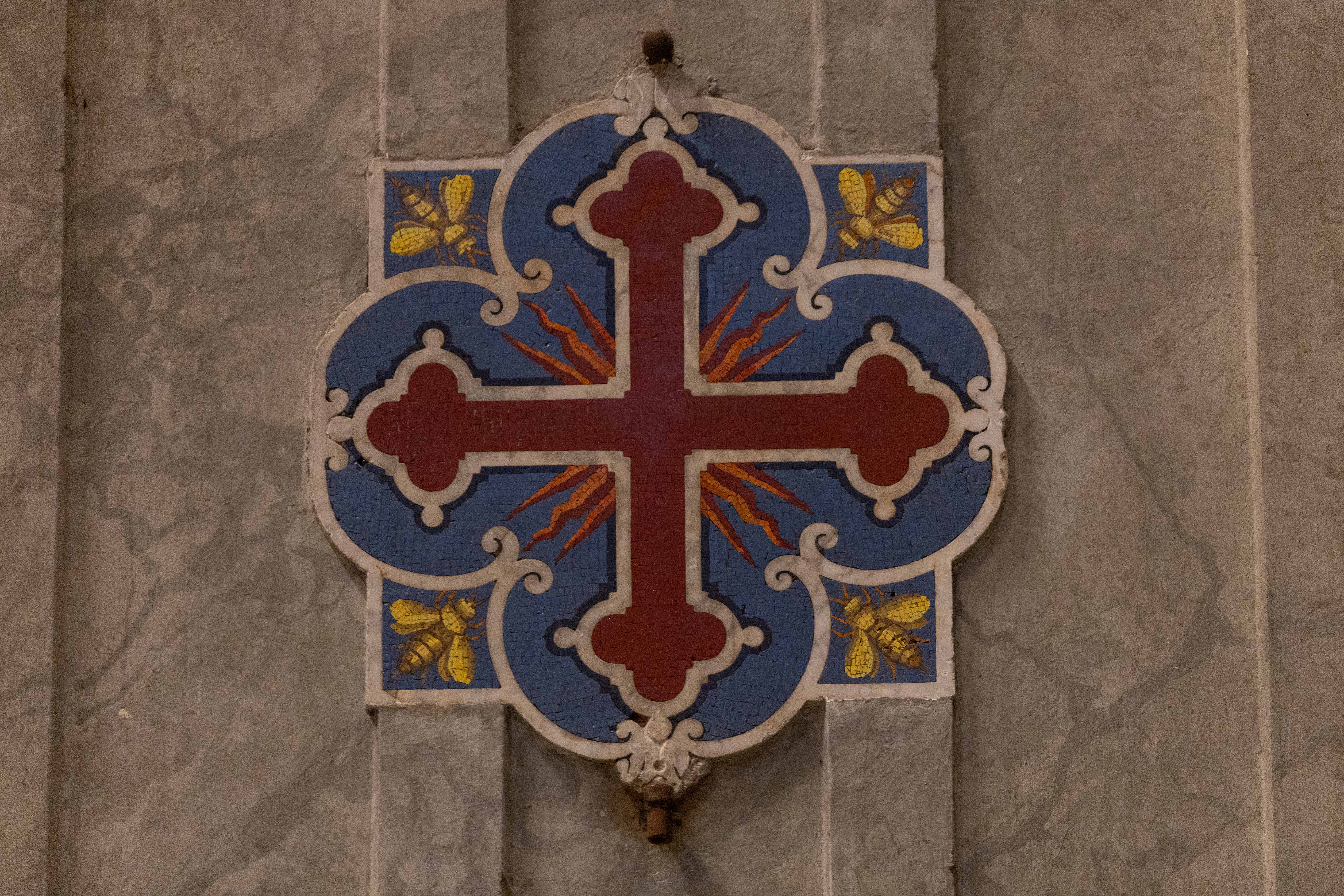
On Nov. 18, 1626, Pope Urban VIII consecrated St. Peter’s Basilica in a solemn rite that began with a blessing of the exterior with holy water and concluded with Mass. In between, the Pope anointed mosaic crosses with chrism oil, and with his crosier, he traced the letters of the Greek and Latin alphabets in ashes that had been scattered on the ground.

The day prior, according to an eyewitness account conserved in the basilica, thousands of people processed down flower-lined streets from the Basilica of St. Mark, near Piazza Venezia, to St. Peter’s, surrounding the church “as if in a great embrace,” Zander said.
It was the culmination of more than 120 years of setbacks, stalled construction, and evolving plans involving dozens of the best artists and architects of the Renaissance — including Bramante, Raphael, Antonio da Sangallo, Michelangelo, Carlo Maderno and Gian Lorenzo Bernini.

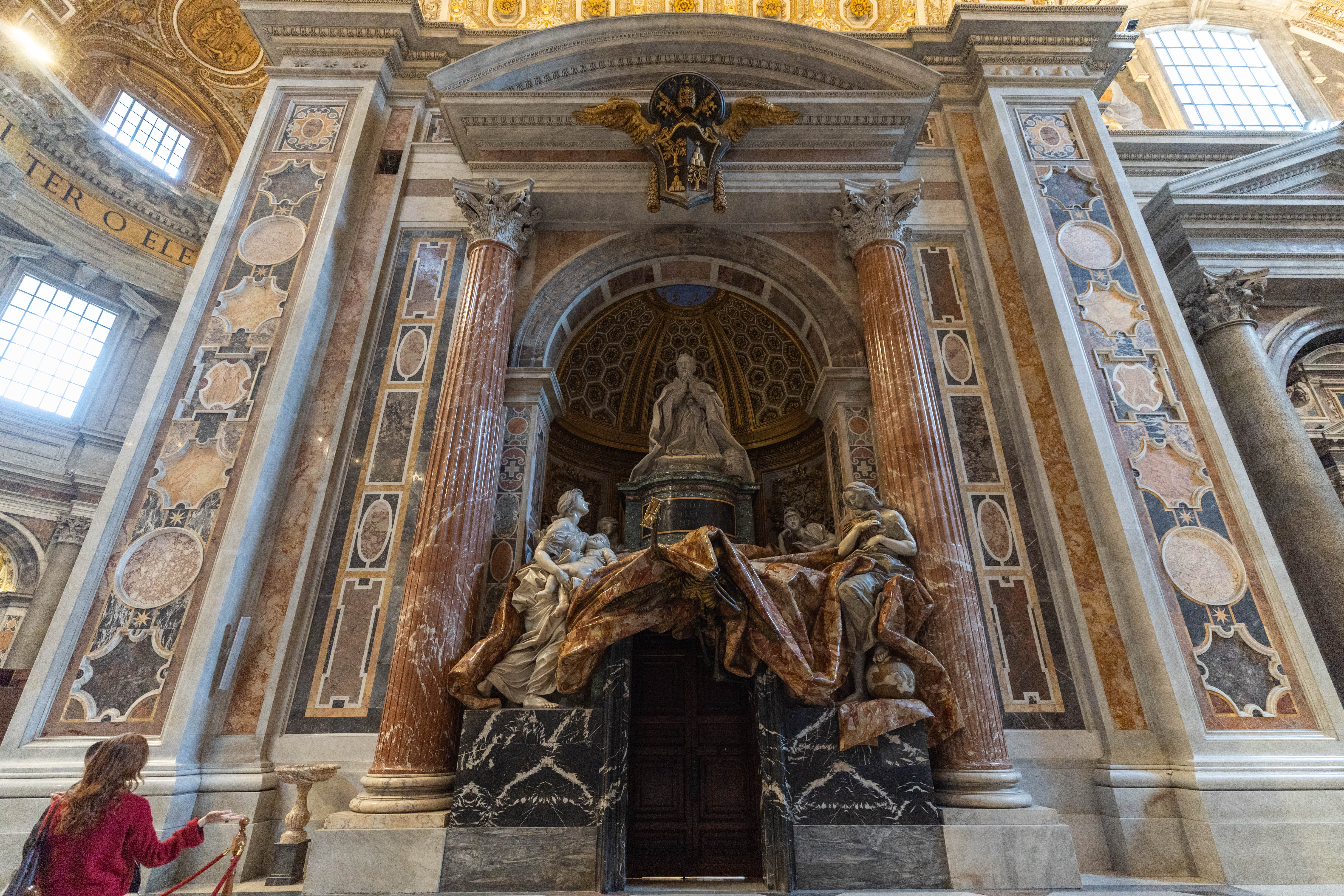
At its consecration, the immense, 611-foot-long basilica — a church so big that the world’s largest Catholic churches, basilicas and cathedrals can be contained inside it — was not even complete.
“The decorations were still missing; the mosaics were missing; the altarpieces were missing,” Zander said. The square and Bernini’s famous colonnade were also completed 40 years after.
St. Peter’s Basilica in the 21st Century
An estimated 20 million people visited St. Peter’s Basilica during the Jubilee of Hope in 2025, according to Cardinal Mauro Gambetti, archpriest of the basilica since 2021. In an average year, the basilica welcomes an estimated 40,000 people a day at the height of the tourist season.

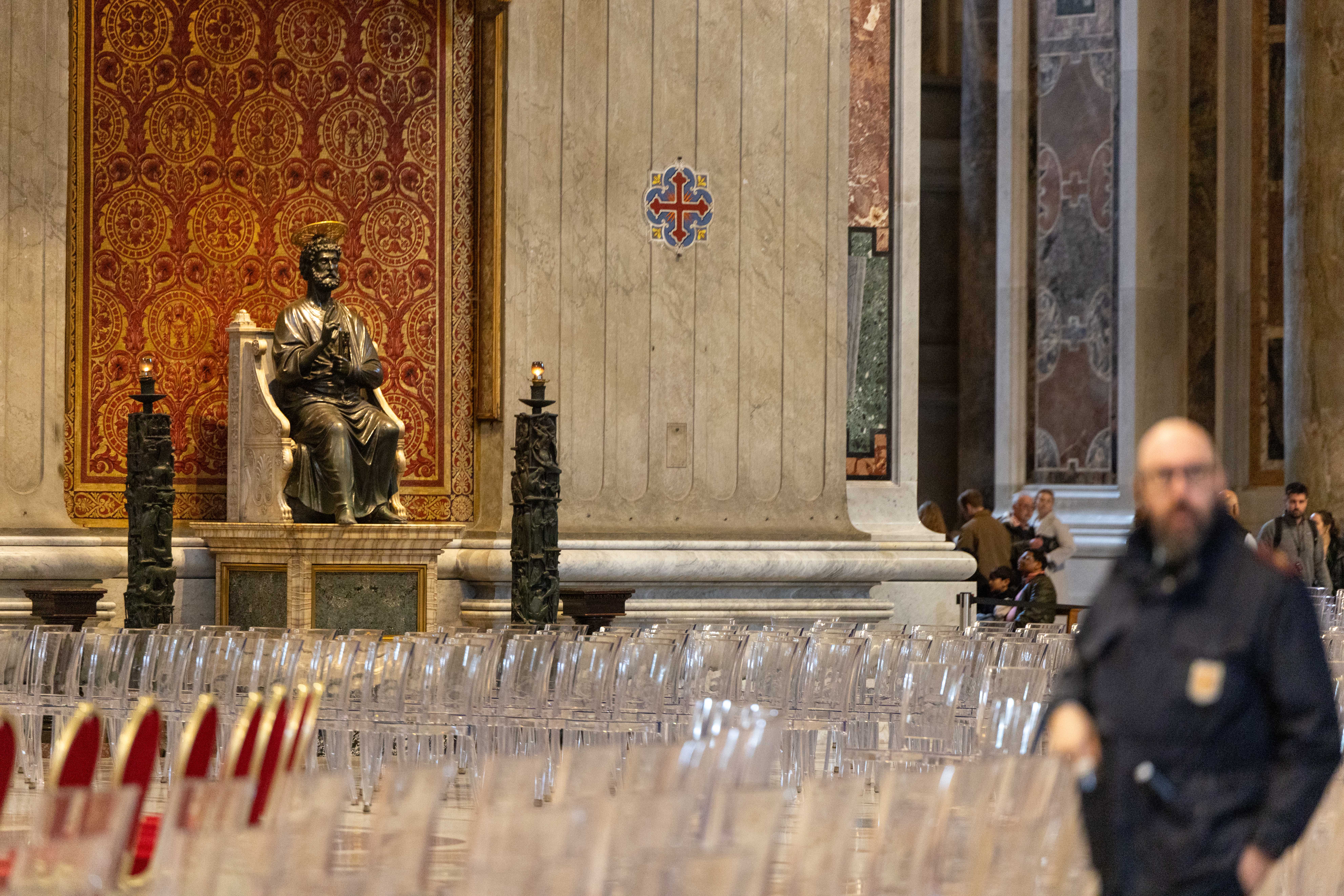
Under Cardinal Gambetti, the basilica has responded to the influx of sightseers with innovations to both the visitor experience and sacramental life of St. Peter’s.
Besides the usual Mass, adoration and confession schedule, the church weekly features a half-hour of live sacred music and after-hours Eucharistic adoration.
Last November, leaders also added a “listening space,” where visitors can speak to a priest or trained layperson.
While entrance to the basilica remains free, those hoping to spend less time waiting in line can now book their visit online for a 7-euro ($8) fee.
Other paid experiences include climbing the cupola, seeing the necropolis or treasury, or visiting an immersive 3D reconstruction of the basilica.
And more projects are in the pipeline: A small café serving drinks and snacks on the basilica roof is undergoing an expansion, and leadership says they will open public exhibits in the space around two of the basilica’s four minor domes.
The idea is to “try to spread out the crowds as much as possible and encourage a distinction … between those with a more historical or artistic interest and those who are primarily motivated by devotional interest in their faith,” Cardinal Gambetti said at a press conference in February.
Lev said most of the novelties in the basilica — like the “fast pass” for people worried about time — are a good attempt to address the modern era, though sometimes it can feel like “too many things at once.”
She also expressed a concern that separating the average visitor’s experience from the Catholic’s strays from the original idea of a basilica for everyone.

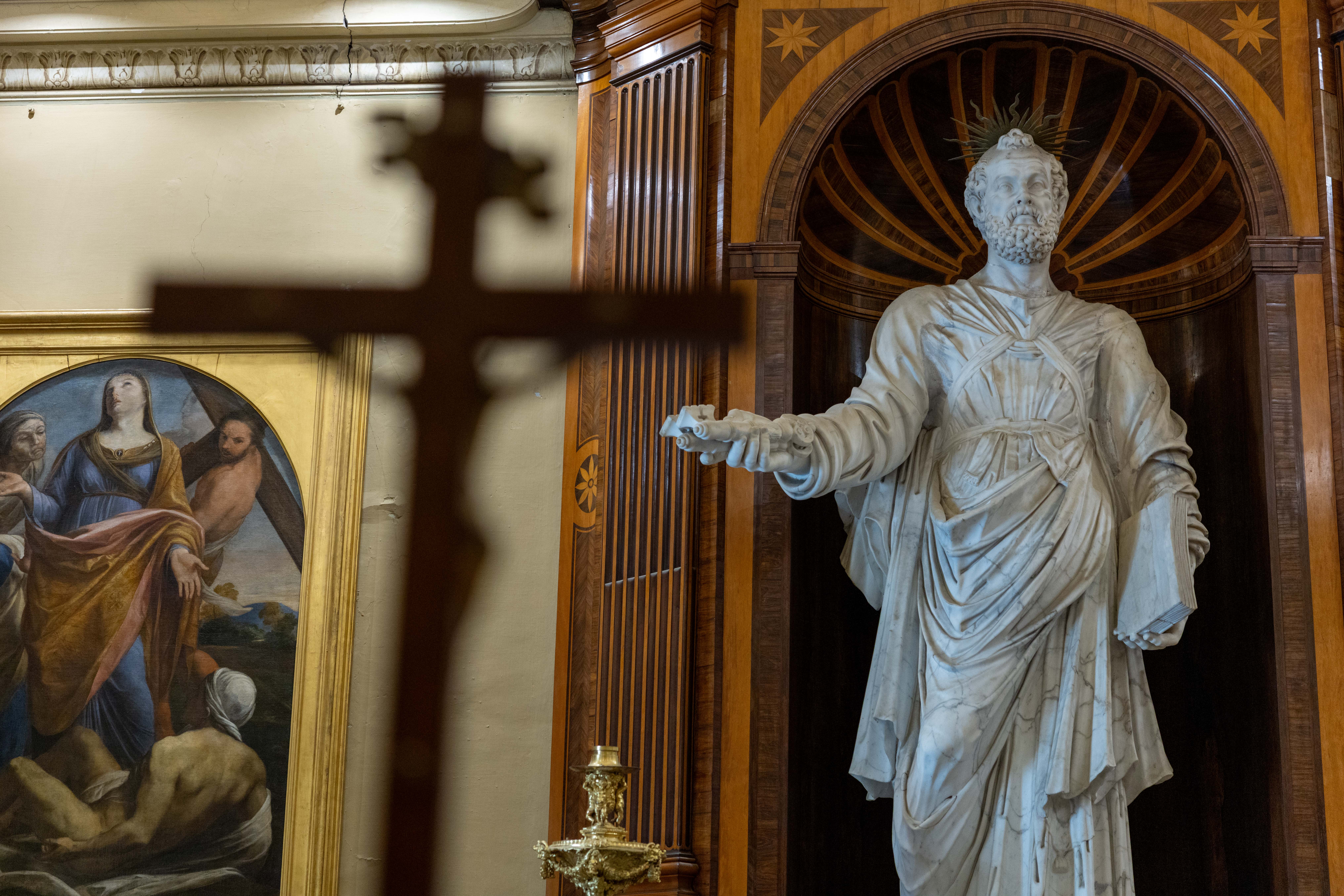
“The beauty of the church was intended to take someone who may be there to admire and invite them to adore,” Lev said. “Remember that every single work that is produced in that basilica was really produced to draw people closer to God.”
Tips Before You Visit
Elizabeth Lev recommended visiting the basilica either early in the morning or late in the afternoon, to find smaller crowds and be better able to “take in the beauty.”
Her second piece of advice was to have patience and take time for the visit, including reading something about the basilica beforehand.
Pietro Zander focused on the significance of St. Peter’s tomb. When you arrive in front of the baldacchino — the sculpted bronze canopy over the main altar — he said, “look down toward the Confessio,” the sacred space that opens in front of the altar. The funerary aedicule below the altar, with some small changes, is the same one first built almost 18 centuries ago, drawing uninterrupted devotion. “Just think how extraordinary this place is.”