


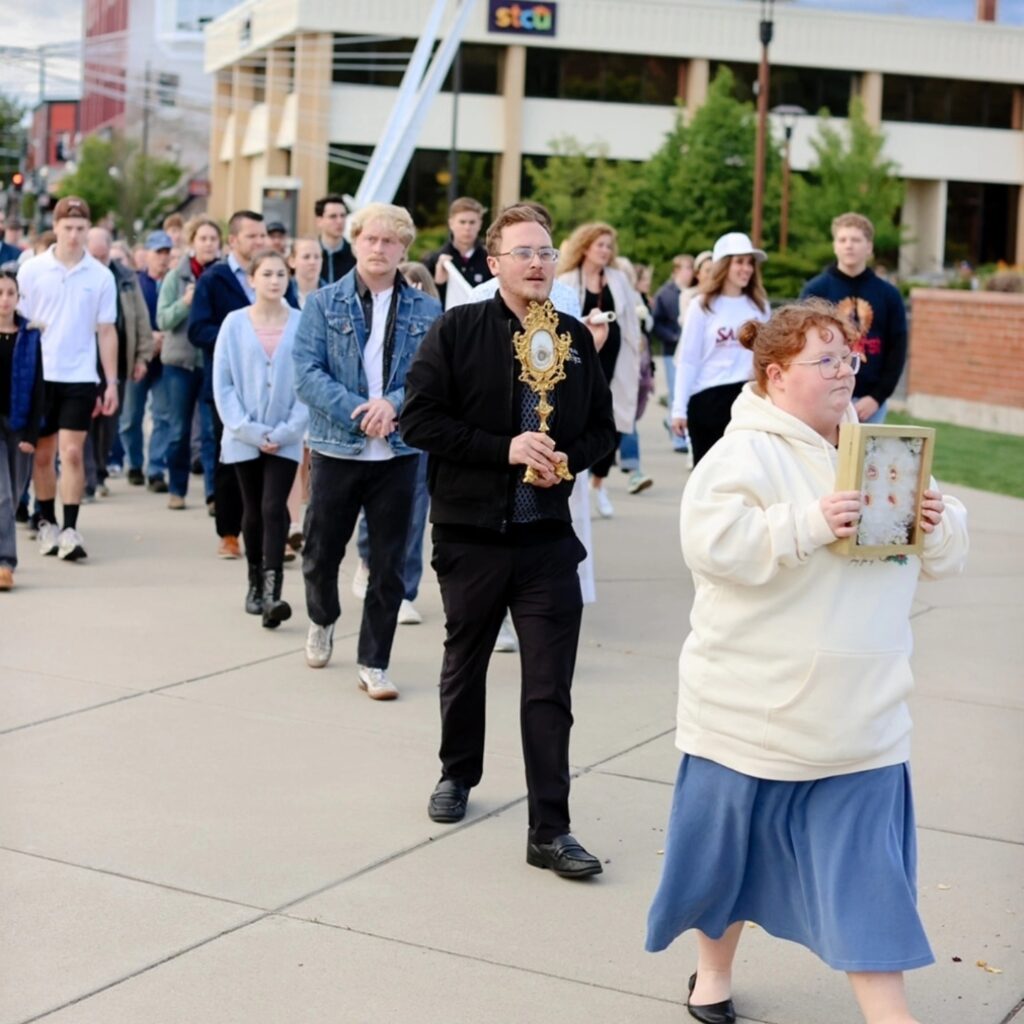
A new apostolate brings the ‘saints back into the heart of the Church’s life’ on the feast of the Veneration of the Holy Relics.
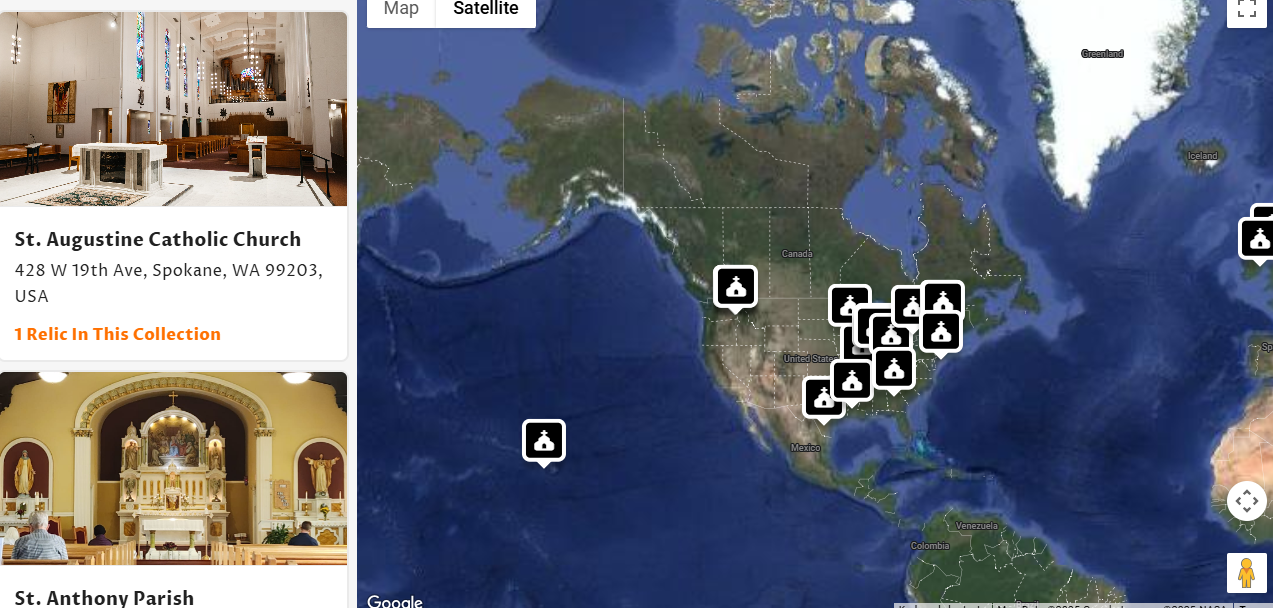
Today marks the feast of the Veneration of the Holy Relics, and to mark the occasion, Anthony Di Mauro, founder of The Relic Project, has unveiled the world’s first map of relics.
Following the example of St. Carlo Acutis who created a website to chart and catalogue the world’s Eucharistic miracles, Di Mauro’s latest project is the first interactive digital map of relics, all accessible through an online platform, uniting “faith, technology and tradition” in a creative way.
Speaking to a crowd gathered at a fundraiser to celebrate the official launch, Di Mauro said:
“After encountering a hidden relic in my home parish, something in me awakened. I began searching for more throughout my diocese, only to realize how many sacred treasures were hidden or undocumented. That’s when it became clear: The Church needs a comprehensive database of relics, so we can truly know who we have, where they are and how the faithful can benefit from these treasures in their midst.”

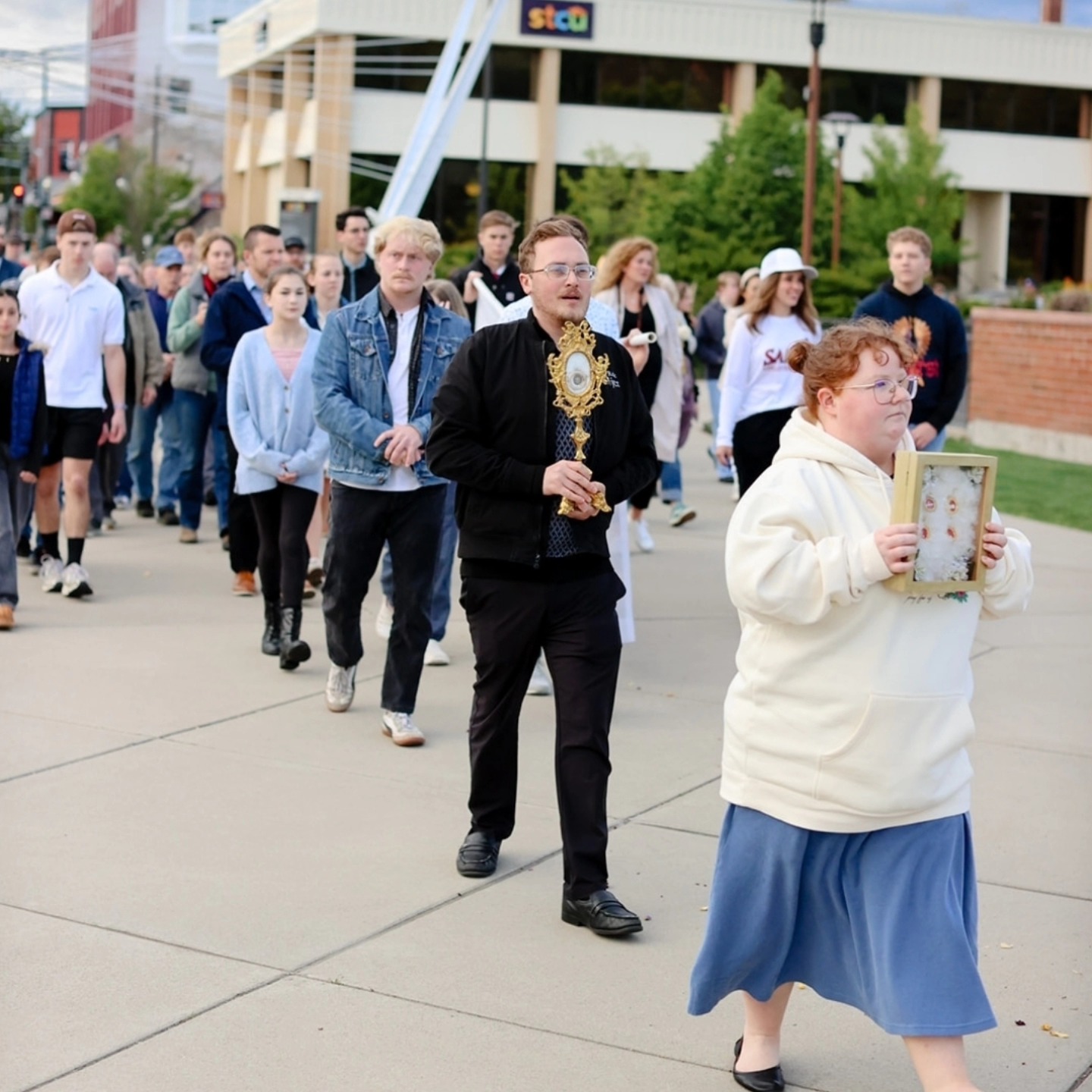
Di Mauro said the seed was planted five years ago, when he first encountered relics in a profound way.
“With over 100 relics before me, it wasn’t just an object in a glass case; it was a living reminder that heaven is closer than we think,” Di Mauro explained to the Register. “These small fragments — bone, cloth, a piece of a saint’s habit — were not relics of death, but of life.”
From that experience, The Relic Project was born, “a ministry dedicated to bringing the saints back into the heart of the Church’s life,” Di Mauro said.

The project seeks to bring Catholicism to the masses “through documentation, authentication, and the sharing of sacred relics” to help “connect the faithful to generations of holiness,” and the project’s patron saints include St. Anthony of Padua and St. Carlo Acutis.
The new interactive database offers a map that users can traverse to explore relics by saint, location or classification. The extensive research that powers the project reveals little-known hidden facts and treasures unknown to many Catholics. In his hometown of Spokane, Washington, alone, Di Mauro’s team encountered 600 relics, many completely undocumented.
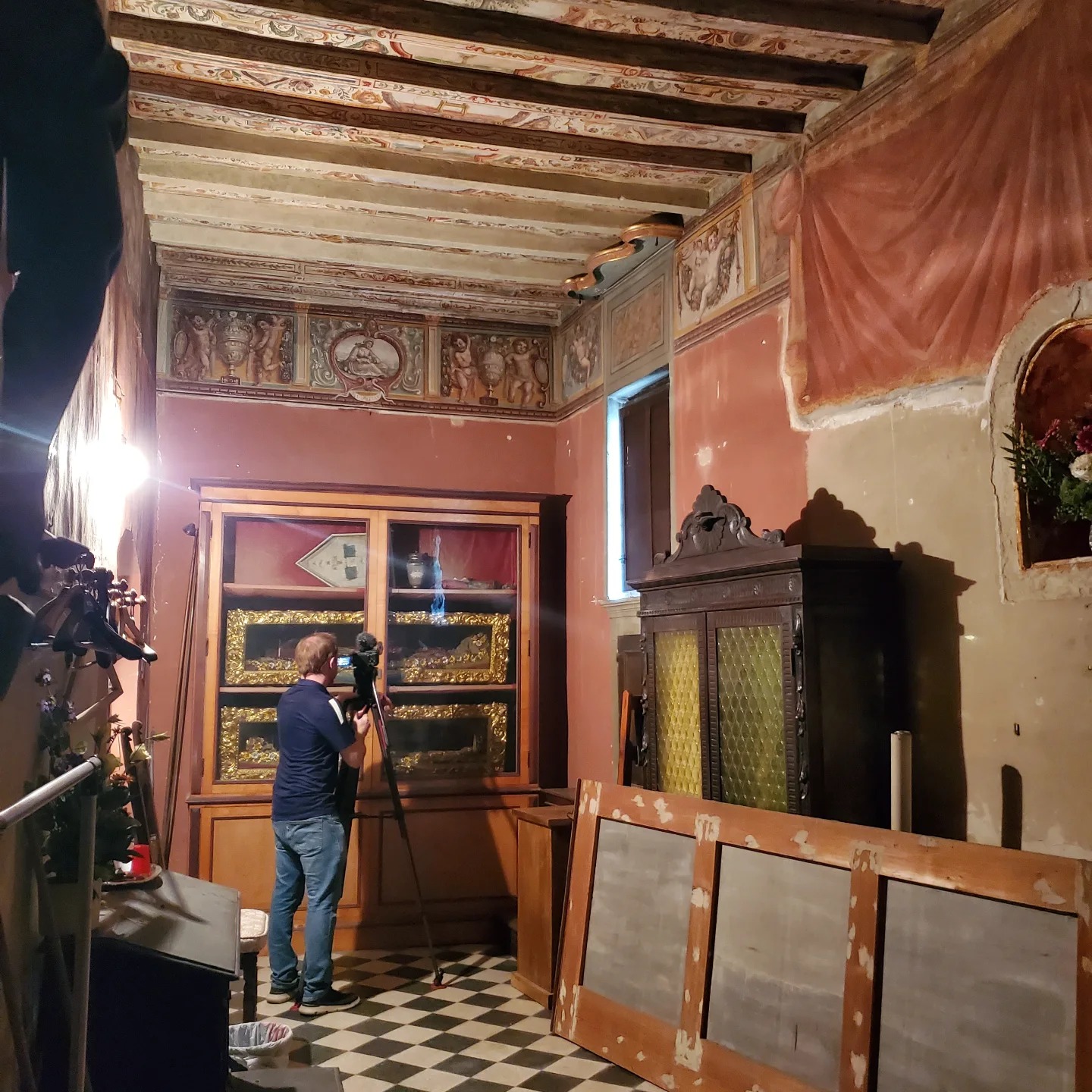
“Many relics around the world are hidden or misunderstood,” he explained. “Some have no records, some sit in storage, and others risk being lost entirely. The Church has given us this sacred tradition for 2,000 years, yet we’re in danger of losing track of it.”
And Di Mauro says the interactive online map is only the first stage. Collaborating with dioceses and relic hunters across the globe, The Relic Project is also working indefatigably to establish the largest relic chapel on the West Coast, intended to be “a sacred space dedicated to veneration, education, and a future Department of Relic Authentication and Restoration, preserving these treasures of faith for generations to come,” Di Mauro said.


Many fruits have come from this sharing of relics. At the fundraiser, Di Mauro recalled stories of conversion and healing: “mothers praying for their children, young adults returning to the sacraments, priests witnessing hope reborn in their parishes.”
“These are not our works,” Di Mauro added. “They are the works of grace through the intercession of the saints. The saints are actively bringing people to Christ through their relics.”
Born as a digital apostolate, The Relic Project is engaging with young and old online, but its mission does not end there. The intention is to bring these sacred relics into homes, schools, nursing facilities and hospitals, in the arenas of life where faith is needed most, to reach the lonely and those feeling forgotten, offering the faithful “a tangible encounter with the Communion of Saints.”

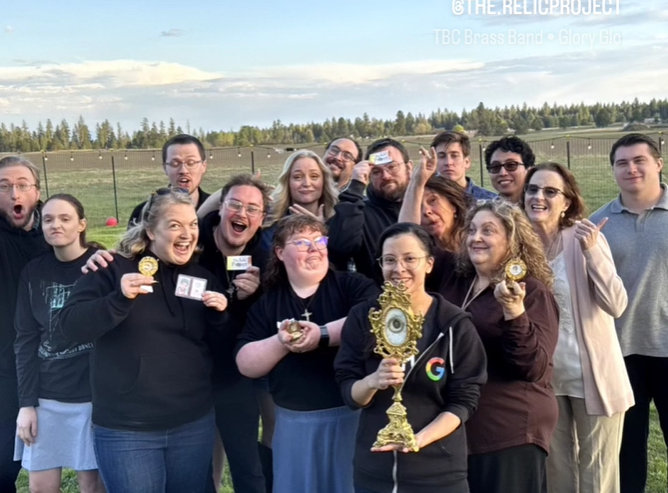
Di Mauro invites all Catholics to get involved in what he calls the “relic renaissance.”
“We are making history. Never in the history of the world has there been a resource like this. But we can’t do it alone. We need partners, spiritual and financial, who see not just a project, but a movement of conversion in souls. Your support helps souls encounter heaven on earth and rediscover that holiness is real, tangible and waiting for them.”

Those who wish to become part of this historic work are invited to visit TheRelicProject.org or email [email protected] to learn more about volunteering, hosting relic visits, or supporting the mission financially.
If you possess relics you would like to donate toward the future Chapel of Relics, they will be reverently incorporated into the ministry’s outreach, traveling with missionaries to bring the presence of the saints into homes, parishes and communities. To discuss a potential donation, please reach out to the team directly.