

Catholic Church in India Struggles to Recover From Bloody Manipur Conflict| National Catholic Register

Two years of ethnic violence has resulted in more than 250 deaths and more than 60,000 homeless.
Though the Catholic Church in India is known for its prompt support for the victims of natural or man-made calamities, it has been struggling against heavy odds to provide relief even to its own people in Manipur, two years after the bloody ethnic conflict that left over 250 dead and over 60,000 homeless.
“Our rehabilitation work is not progressing as fast as we hoped for due to several reasons, including the heavy monsoon and floods now,” Father Varghese Velickagam, vicar general of the Archdiocese of Imphal, coordinating the relief of the Catholic Church, told the Register June 3. The entire state of Manipur is part of the archdiocese.
The tiny state bordering Myanmar in northeast India, with a population of 3.86 million, Manipur was engulfed by ethnic violence between minority Christian Kukis and the ethnic majority Meiteis, whom are Hindus, which began May 3, 2023.
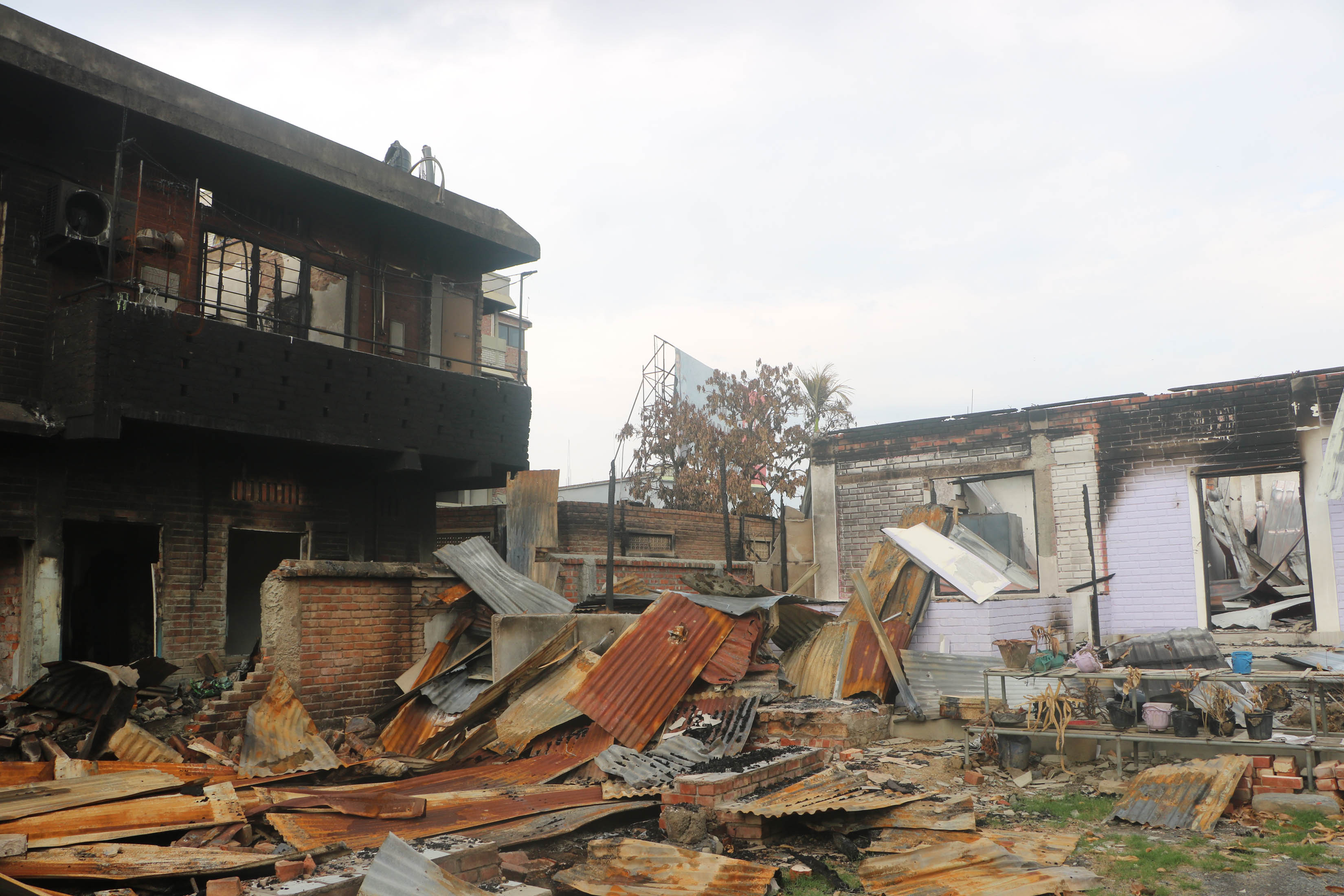
The protracted arson and killing spree on both sides took a heavy toll on the Kukis, with more than 50,000 of them driven away from the sprawling Imphal Valley. More than 300 churches were destroyed by the Meiteis and more than 10,000 Meiteis were banished from Kuki strongholds in hill areas like Churuchandpur in the south and Kangkpokpi in the north.
As the ethnic tension eased, with both groups geographically separated, the Church in Manipur initially offered relief supplies to both sides, including the Meitei refugees in Imphal Valley.
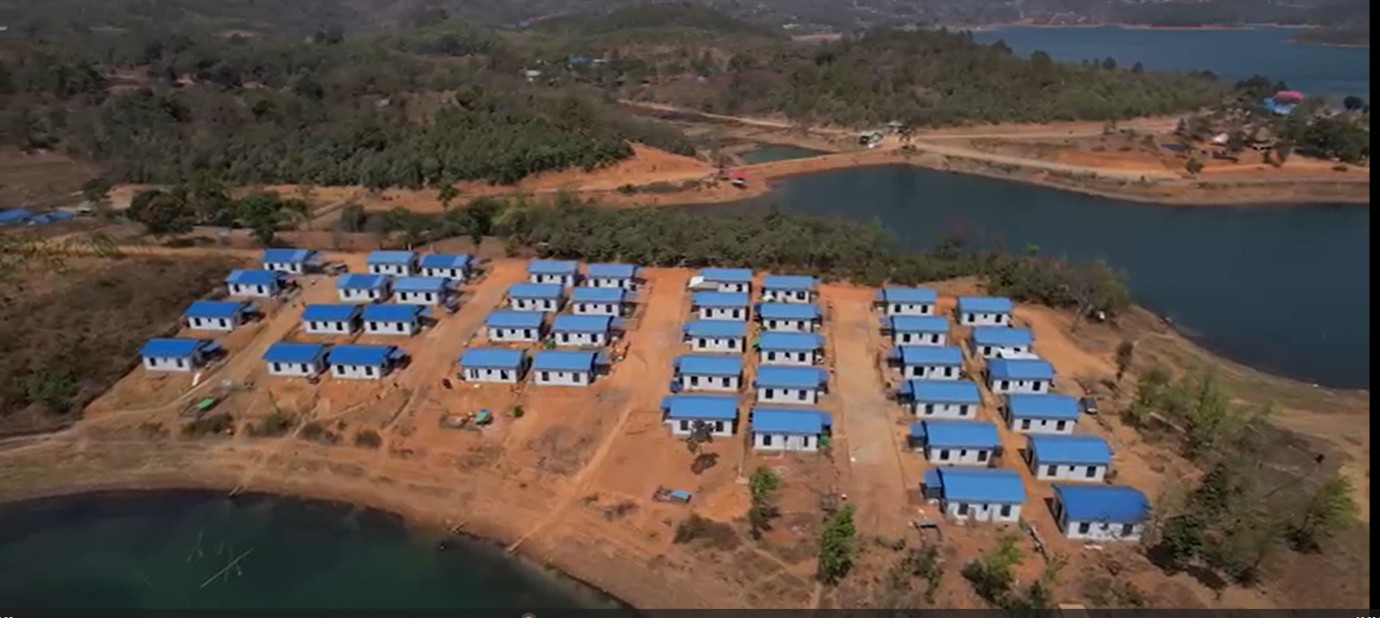
Catholics number more than 100,000 among the 1.5-million Christians who account for 41% of Manipur’s 3.86 million people, and are spread out mostly in remote areas. The Catholic Church eventually prepared for the rehabilitation for 600 families with its limited resources, including shelter and employment programs for the extremely distressed Kuki Christians, who fled to faraway places even outside the state.
“The construction of nearly 400 houses is now over, and people have been moving in from the relief camps as the houses are being completed. Since they lost everything, they have to restart life afresh,” said Father Velickagam.
“The Kuki tribe is cut off from the mainland of Manipur with no interaction between the majority Meiteis and the Kuki community. The concerned authorities have not shown interest in resettling them or compensating their losses. They are surviving because of the philanthropic assistance given by men of goodwill within and outside the country. That is why we took this initiative,” Father Velickagam said.
The rehabilitation program, he said, involves hiring them as laborers in construction work to provide livelihood, besides giving them training in furniture making, pig and chicken farming, goat rearing and vegetable cultivation.
“But the challenges are many. There is no proper water and electricity supply. The resettled villages are unlike urban areas where they lived with proper schools. Each [new] village needs schools for the education of the children and a church. It is difficult for the parents to keep their children in the hostel,” Father Velickagam said.
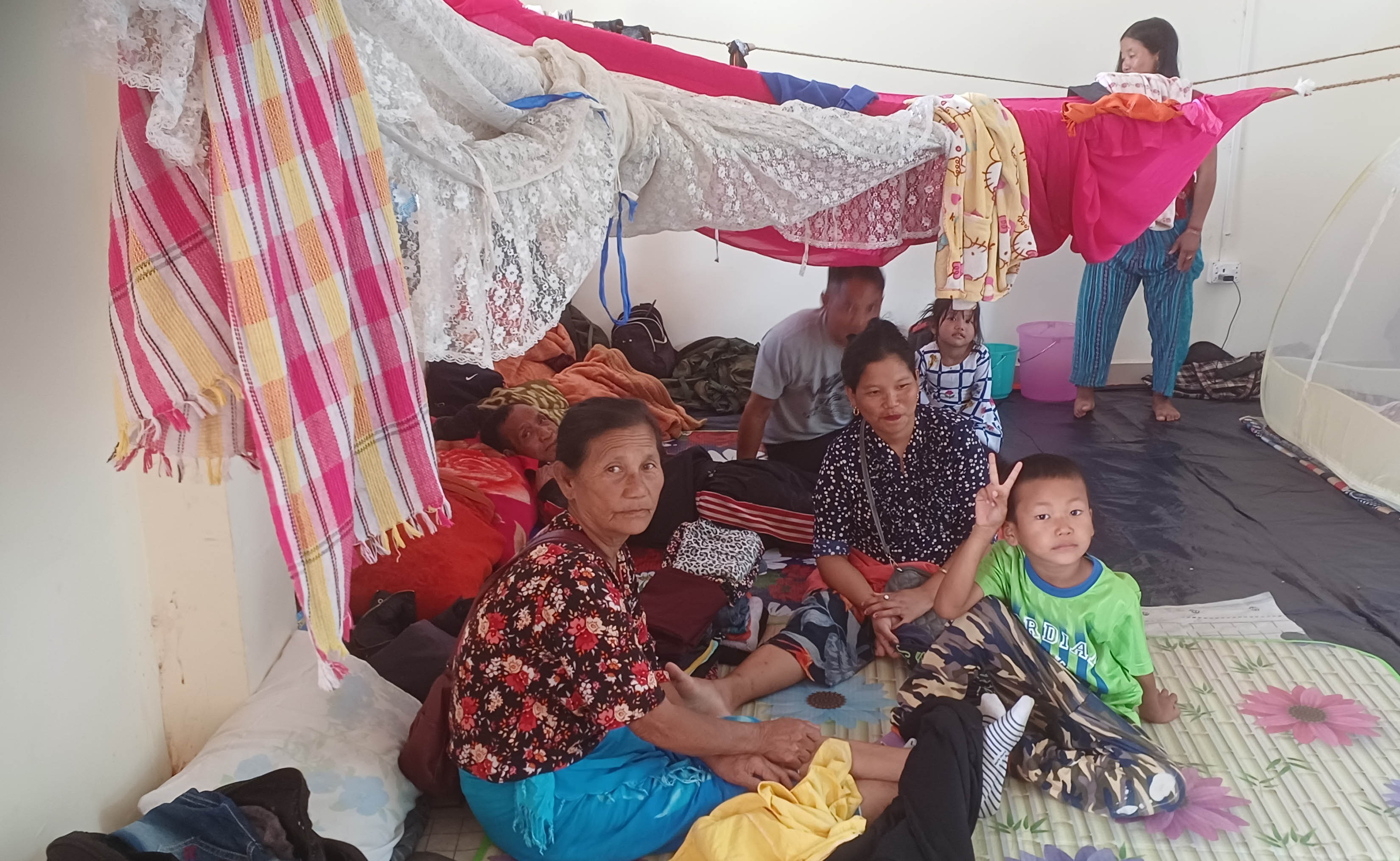
Asked if the Catholic Church has rehabilitation programs for the other denominations and ethnic Meiteis in the works, Father Velickagam replied, “We would love to help all suffering people. But our funds are very limited and we have around 1,200 [Catholic] families displaced from Sugnu parish alone and have got 684 applications from most deserving families from there. We are struggling to provide shelter to all of them.”
Besides the financial constraints, the contractors employed by the local Church to build houses on a dozen locations — mostly hilltops in remote areas on lands donated by generous Kuki Christians — are struggling to receive construction materials in the areas without proper roads.
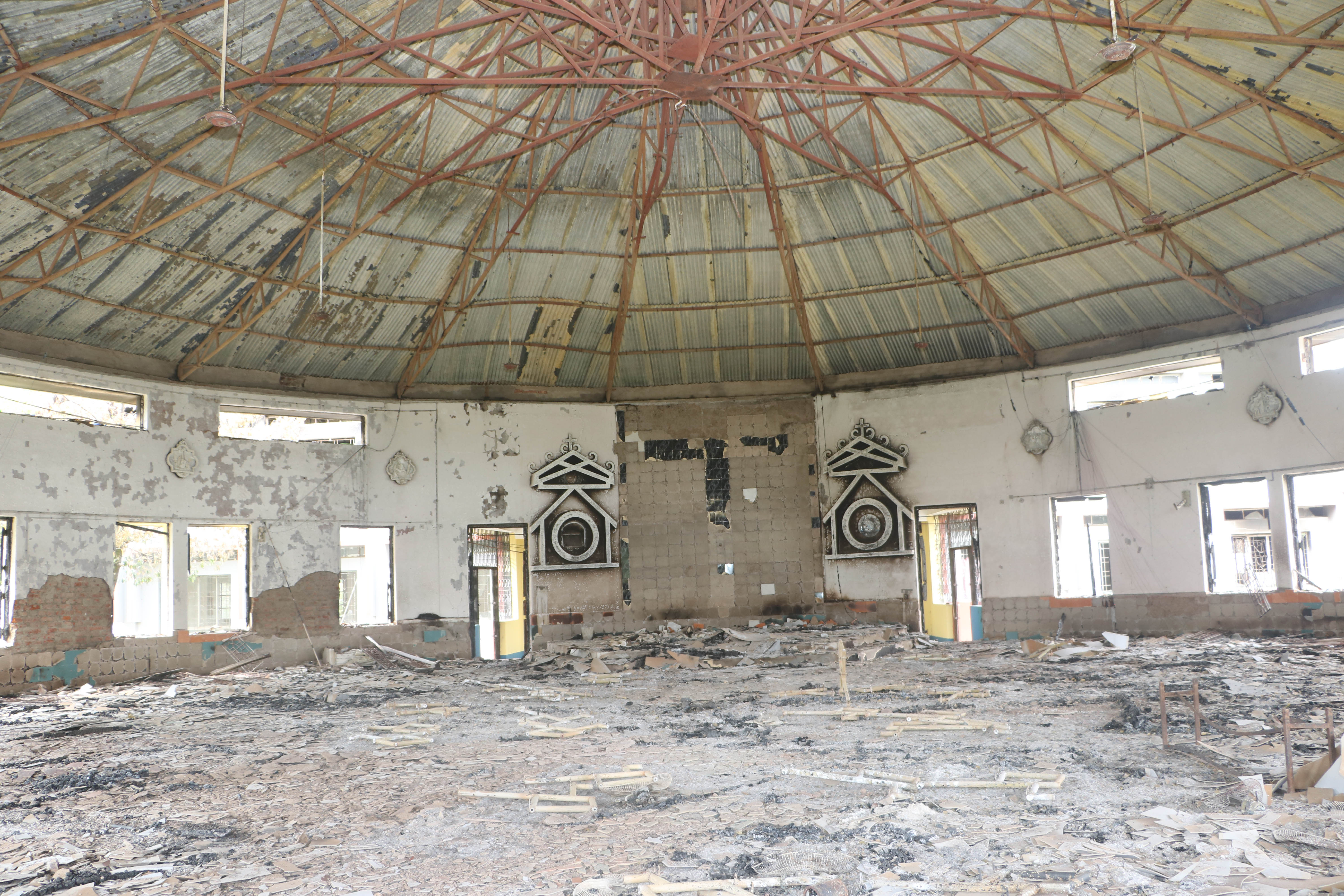
“For us, it is a huge challenge,” a contractor named Donald who has already built 120 houses for the Catholic Church told the Register. With the government agencies scrutinizing even those carrying out the construction work for the Church, the contractor told the Register June 3: “It would be better if I do not give my personal details.”
“The construction materials are hugely expensive due to the economic blockade in Kuki and Meitei areas. There is no proper road to the remote construction spots and now, we have early monsoon and floods making the roads slushy. For Churuchandpur areas, we used to bring raw material from the neighboring Mizoram state. With the heavy monsoon, that mountainous route is also closed now. The work has come to a standstill now,” the contractor said.
The entire northeast reagion of India has been hit by early monsoon flooding that has affected more than 56,000 people in Manipur.
However, John Thangvanglian, catechist of St Joseph’s parish of Sugnu from where over 6,000 Kuki Christians had been banished with their houses and possessions looted and torched, has faith in the Church’s recovery measures. He spoke with the Register from an apartment that the government of Christian majority state of Mizoram offered to shelter Kuki refuges at Aizawl, the capital of the state.
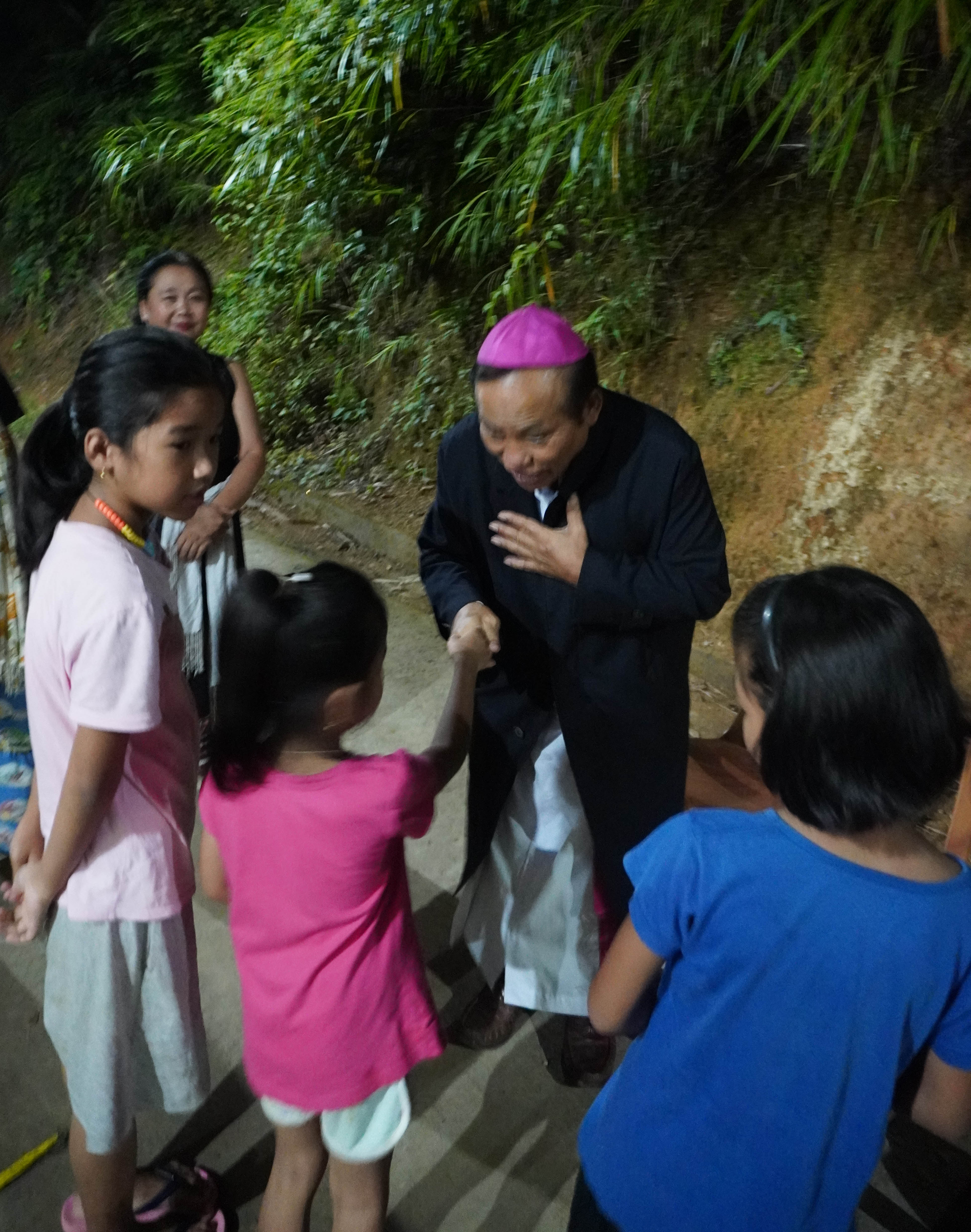
“We had over 60 Catholic families here in this flat complex. Now only half a dozen families are left. Most others have left for the new houses built by the [Catholic] Church. The children have been accommodated in different hostels before shifting to these houses,” Thangvanglian told the Register. The catechist who organized the Sugnu folks in regular prayer at the Falkland apartment complex where Bishop Stephen Rotluanga of Aizawl had joined them in their evening Rosary in September 2023, said, “I have also applied for a house and am waiting for my turn.”
