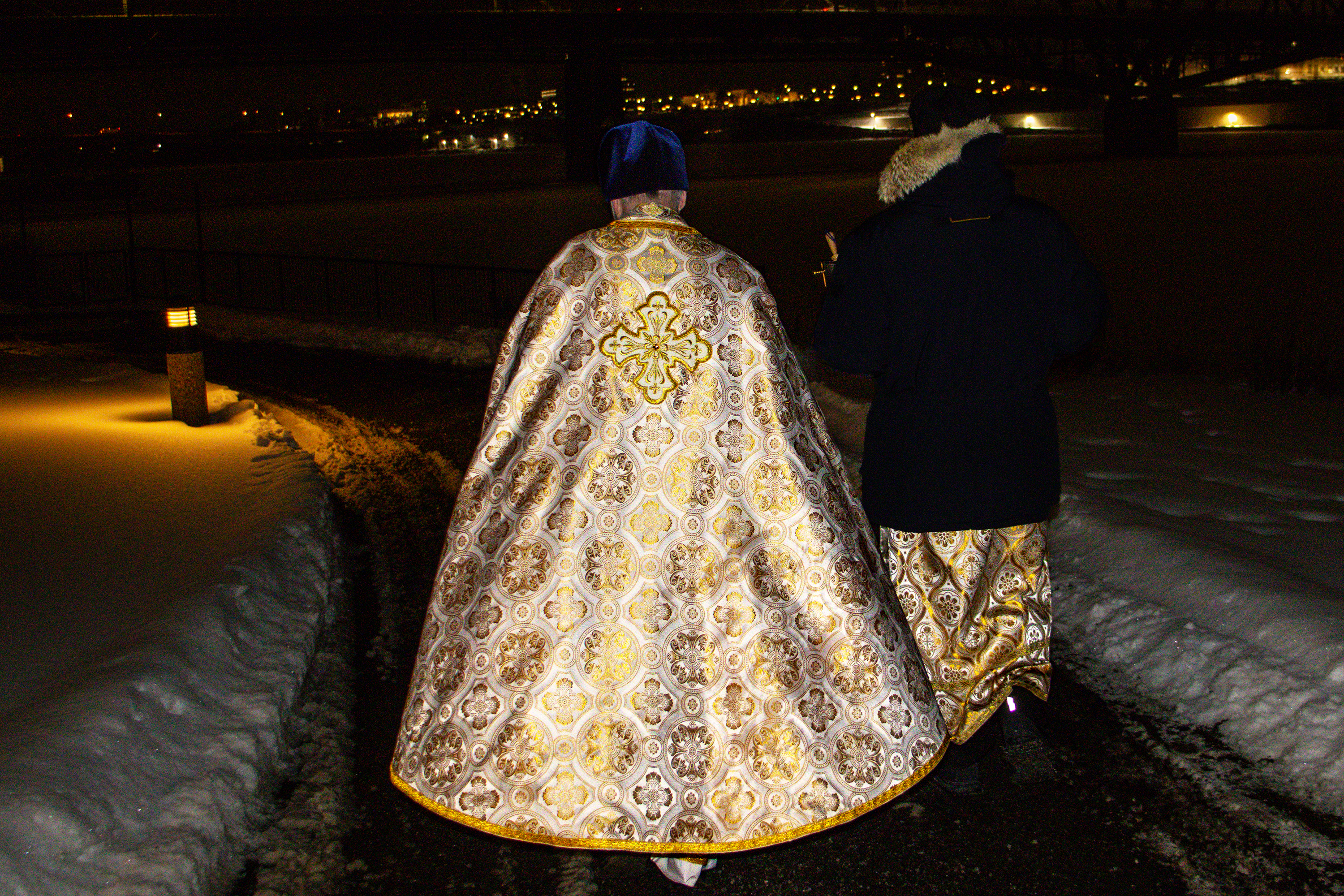


“Christ is baptized … in the Jordan!”
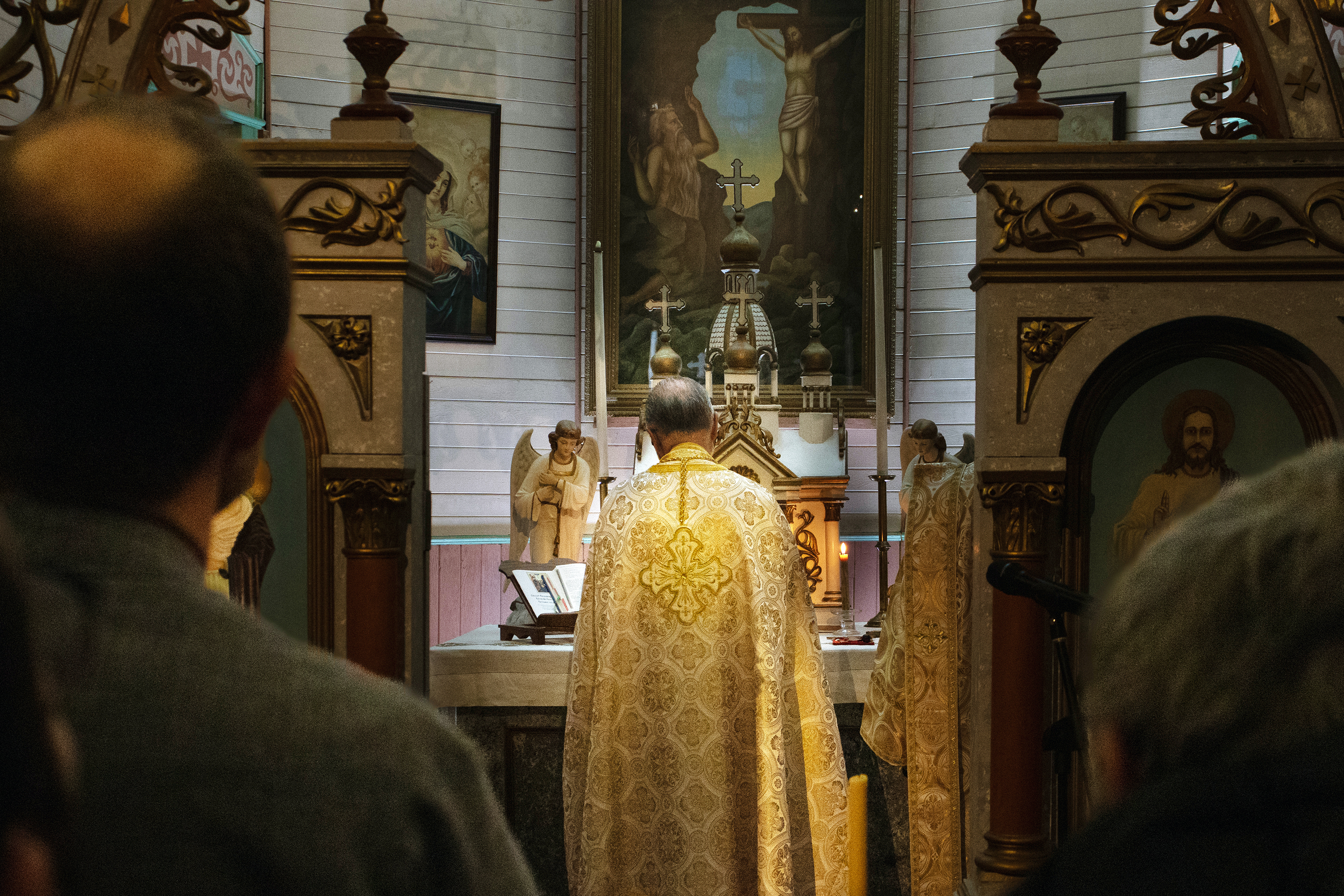
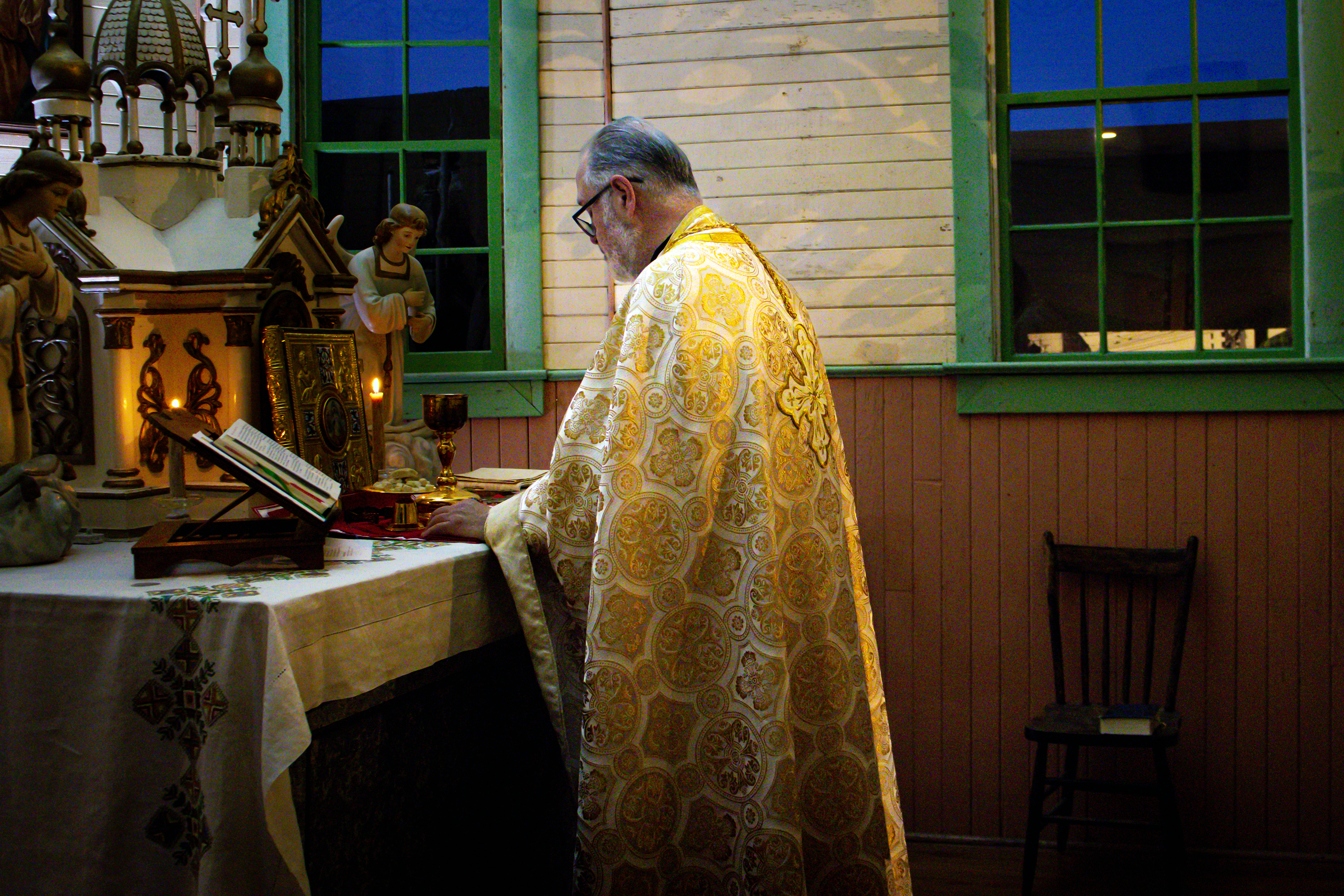
So rang out the liturgy on Jan. 6 … at the Canadian Museum of History.
Both the place and the time would have surprised most (Latin-rite) Catholics in Canada. But not Ukrainian Catholics, who have their own distinctive calendar. And local Ukrainian Catholics in Ottawa know that once a year for “Theophany” (“Epiphany”), their Divine Liturgy is celebrated at the museum.
Two matters of interest arise from this week’s Divine Liturgy at the museum. First, the history of Ukrainian Catholics in Canada. Second, how the Ukrainian liturgy amplifies the feasts of the Christmas season, especially the Baptism of the Lord, which is observed this Sunday in Latin-rite Catholic parishes.
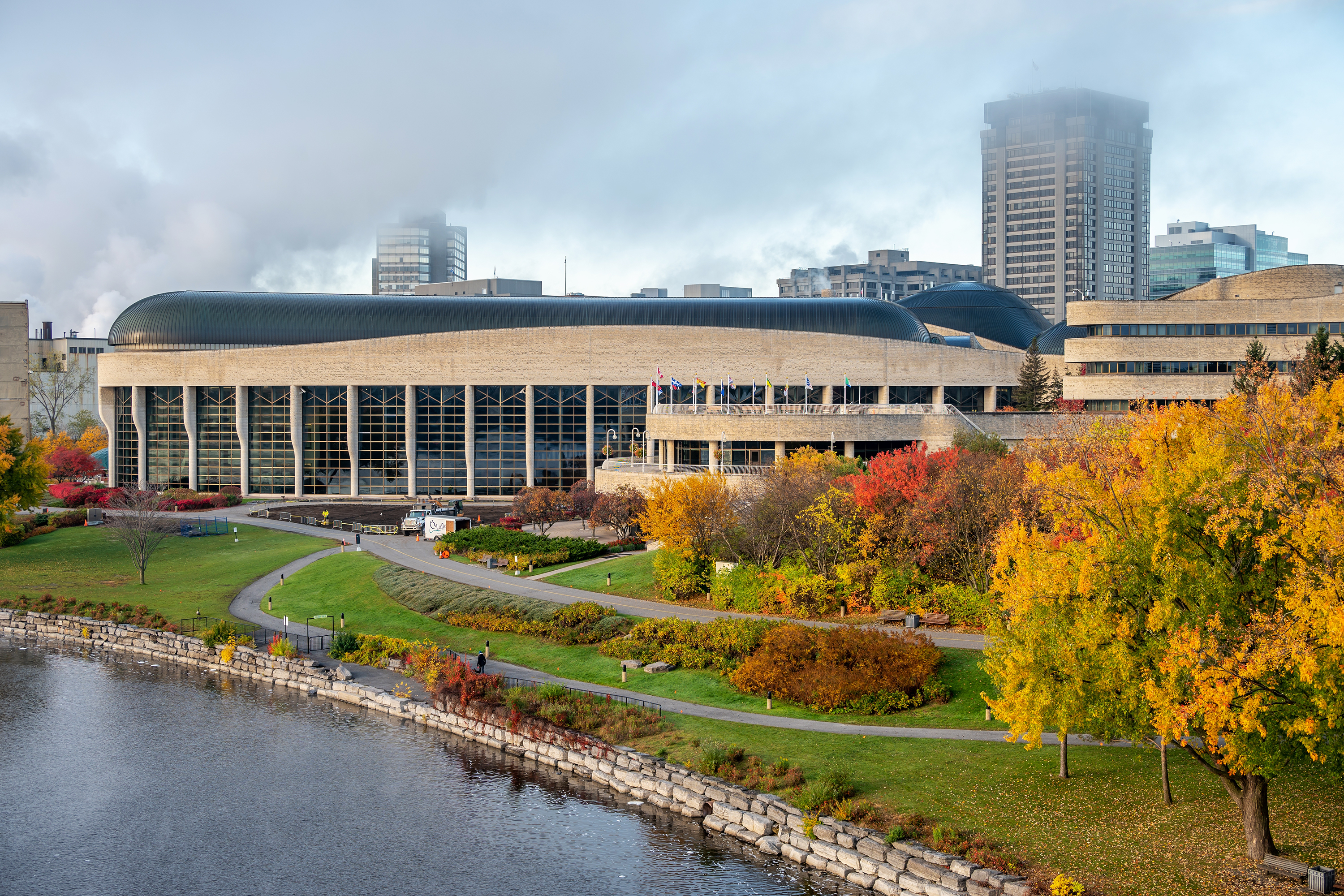
The magnificent Canadian Museum of History, designed by noted architect Douglas Cardinal, opened in 1989, but work on the major exhibitions continued afterward, including the heart of the museum, the Canadian History Hall. This year marks the 30th anniversary of the installation of the hall’s largest artifact, St. Onuphrius church. A whole church.
The size of a one-room schoolhouse, it was built near Smoky Lake, northeast of Edmonton, Alberta, by Ukrainian Catholic immigrants between 1915 and 1928. More than 125,000 Ukrainians arrived in western Canada in the early 20th century, homesteading on land given to them on the vast, remote Canadian prairies. They carved a life out of the forbidding land and imprinted the mark of their culture, including dozens of small Ukrainian Catholic churches like St. Onuphrius.
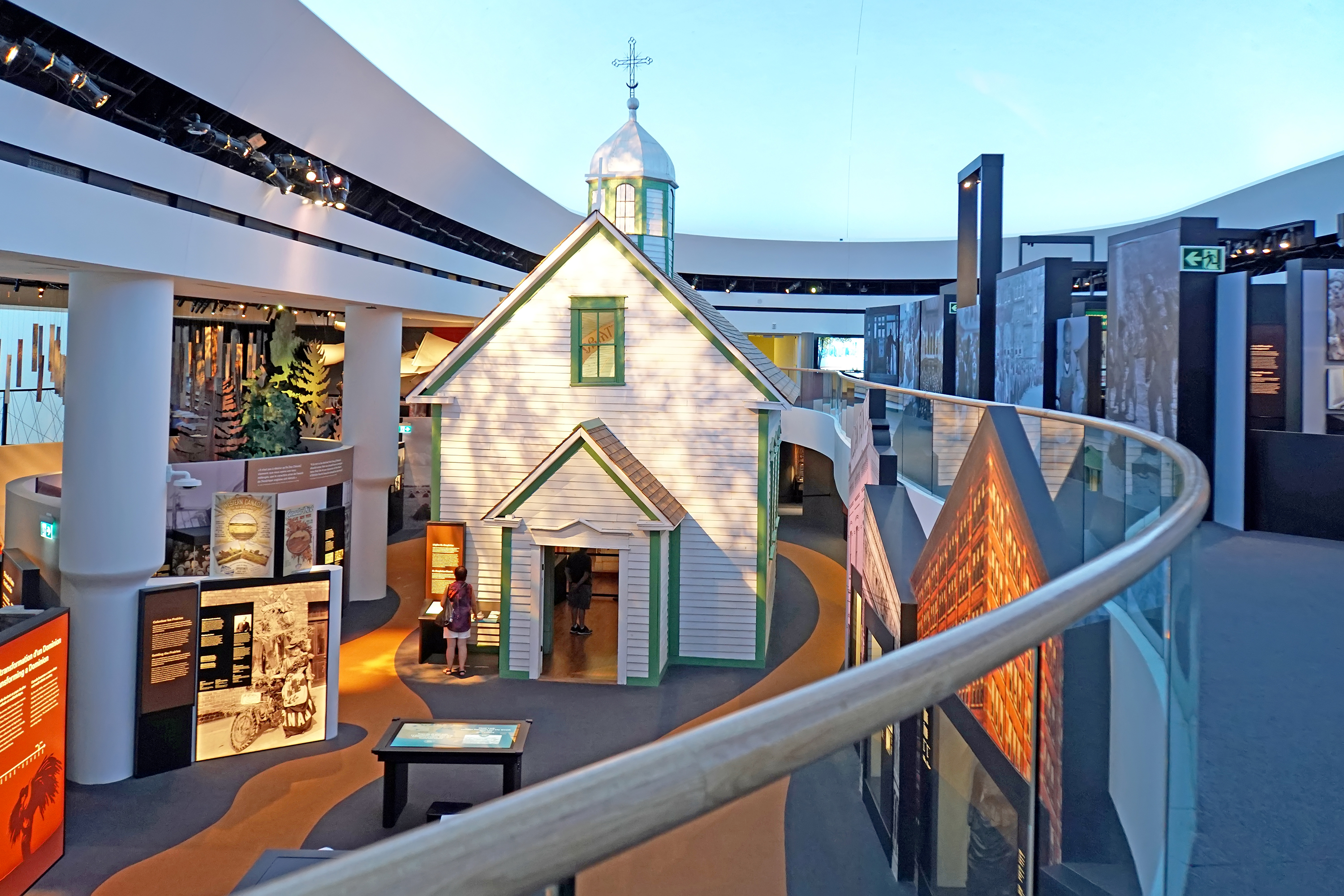
To capture that history, the Canadian Museum of History dismantled St. Onuphrius, transported it to Ottawa, and rebuilt it in 1996. The Ukrainian Catholic Church in Canada insisted that it remain a church, not become a literal museum piece. Once a year, then, on Jan. 6, local Ukrainian Catholics celebrate the Divine Liturgy at St. Onuphrius in the museum — sacred worship in a government museum.
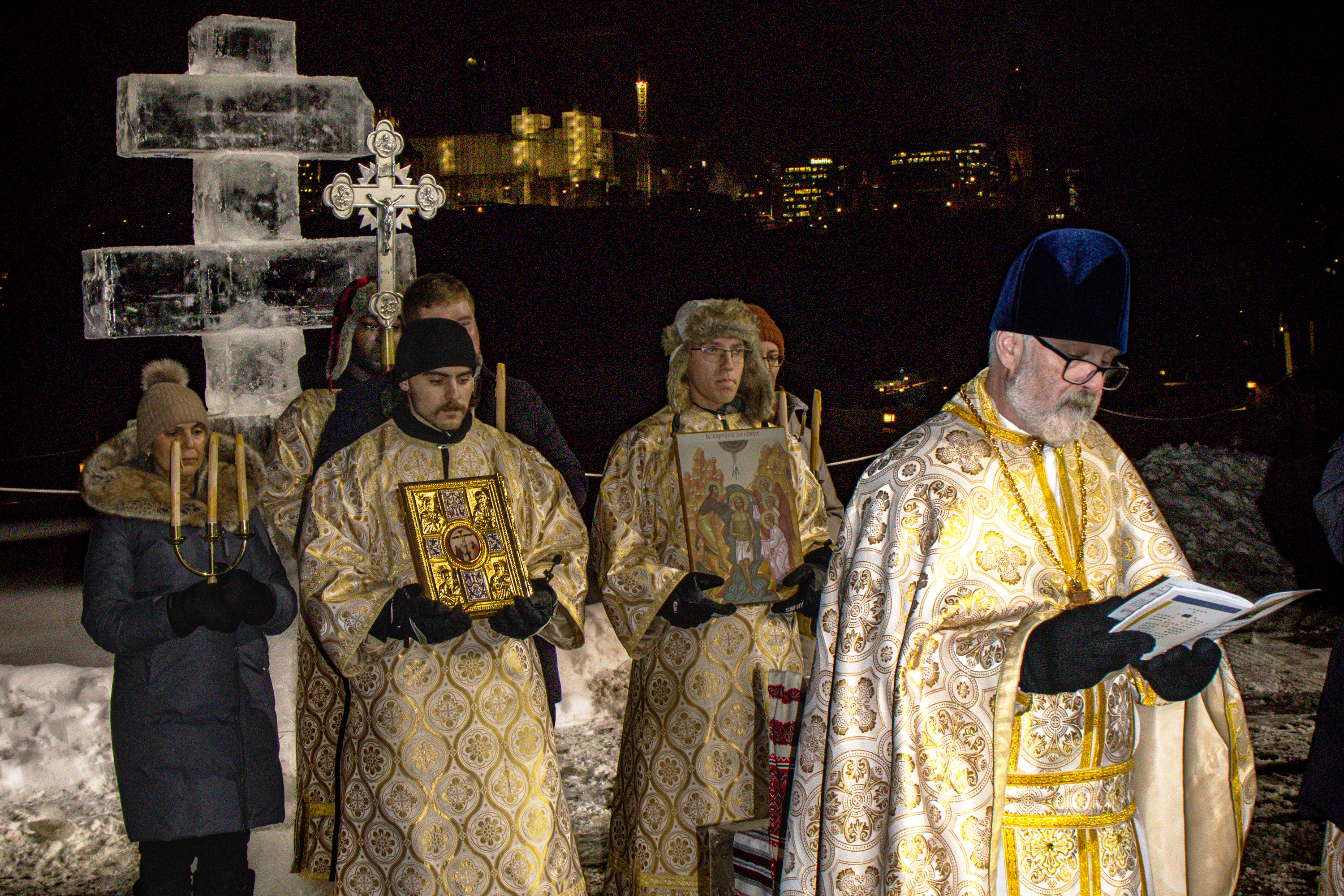
That date is chosen partly because the museum is on the banks of the Ottawa River, across from the federal Parliament buildings, and the Theophany for Byzantine Catholics (and Orthodox) focuses on the Baptism of Jesus. The “great blessing of waters” that follows the Eucharist is best celebrated close to a river, as Jesus was baptized in the Jordan River. In Ottawa, that means braving 15-degree Fahrenheit temperatures. But there are advantages. Ukrainian-Canadian ingenuity provides for a 10-foot-tall Byzantine cross ice sculpture.
Latin-rite Catholics think of Epiphany (Jan. 6 in the universal calendar, though often transferred to Sunday in many countries) as marking the arrival of the Magi in Bethlehem. In the early Church, though, the “epiphany” or “manifestation” of Jesus included three key moments — the Magi in Bethlehem, the Baptism in the Jordan and the first miracle at the wedding in Cana.
There are echoes of this in the Latin-rite liturgy. For example, on the Epiphany the Benedictus antiphon at Lauds (morning prayer in the Breviary) includes all three moments:
Today the Bridegroom claims his bride, the Church, since Christ has washed her sins away in Jordan’s waters; the Magi hasten with their gifts to the royal wedding; and the wedding guests rejoice, for Christ has changed water into wine, alleluia.
The same triplex invocation is even more explicit in the antiphon for the Magnificat at Vespers (evening prayer):
Three mysteries mark this holy day: today the star leads the Magi to the infant Christ; today water is changed into wine for the wedding feast; today Christ wills to be baptized by John in the river Jordan to bring us salvation.
The Latin-rite liturgical calendar stretches these “manifestations” over several Sundays. Every year, the Feast of Baptism of the Lord follows immediately after the Epiphany, which focuses on the Magi. The second “epiphany” follows the first.
In “Year C,” which was last year, 2025, the subsequent Sunday’s gospel is the account of the wedding at Cana (John 2) — a third “epiphany.”
The diverse Catholic rites highlight different aspects of salvation history. Ukrainian Catholics, who follow the Byzantine tradition, include the coming of the Magi in their celebration of Christmas. The wedding at Cana is the obligatory gospel reading at all weddings, but is not given prominence in the early “epiphanies” or “manifestations” of Jesus.
That leaves the Baptism of the Lord as the exclusive focus of Theophany, which is why Byzantine Christians all over the world gather by rivers on Jan. 6. In that tradition, the Baptism of the Lord is the greatest of the “epiphanies” as it includes both human and heavenly testimonies.
“When Christ came up out of the water, the heavens were opened. The Father spoke, as if presenting his Son to humanity: ‘This is my beloved Son, with whom I am well pleased’ (Matthew 3:17),” preached Major Archbishop Sviatoslav Shevchuk, father and head of the Ukrainian Greek Catholic Church in Kyiv this year for Theophany. “The Holy Spirit appeared in the form of a dove, bearing witness to and confirming the word of the heavenly Father. Over the waters of the Jordan, the revelation of the Most Holy Trinity took place.”
Archbishop Shevchuk noted that one of the great Eastern Doctors of the Church, St. John Chrysostom, says “that the Theophany at the Jordan is the most important manifestation of God in the New Testament.”
“Here the Trinity was revealed for the first time,” Archbishop Shevchuk quoted Chrysostom, adding that “we become witnesses to the revelation of the one God in three Persons — Father, Son, and Holy Spirit.”
Different liturgical traditions bring out different riches.
The Latin tradition, with its emphasis on the Magi, highlights how Jesus has truly become a light for all nations — the theme of Pope Leo XIV’s homily for Epiphany this year. Meanwhile, the Ukrainian tradition shows how the Baptism is not simply the beginning of the public ministry of Jesus, but the first revelation of God’s identity in history as an eternal community of divine persons. The one God of Israel is now revealed to be a communion of life and love.
The great blessing of the waters at the river — even a frozen river as in Ottawa, or Kyiv or Moscow — also extends the mystery of the Incarnation. God has not only taken to himself a human nature, but has somehow filled up the whole of creation, the flowing waters reaching to the ends of the earth.
The soaring prayer of blessing for the waters — chanted in full even in the Ottawa deep freeze — makes that clear:
Today all creation is watered with mystical streams. Today the offenses of men are washed away by the waters of Jordan. Today Paradise is opened to men, and the Sun of righteousness shines upon us. Today the bitter water of the time of Moses becomes most sweet for the people from the presence of the Lord. Today we were released from our ancient woe, and as a new Israel we were saved. Today we were redeemed from darkness and illumined by the light of the knowledge of God. Today the gloomy fog of the world is lifted away by the revelation of our God. Today all creation is made bright from Above.
There is an echo of this panorama of salvation history in the Latin-rite blessing and sprinkling of water, sometimes done for the Feast of the Baptism this Sunday at Mass.
Catholic liturgy is not only the Latin rite, and not only for the usual places. On Theophany at the museum — and at the river afterward — the Byzantine tradition showed how all history and all creation is manifestly touched by the Triune God.
Christ is baptized (and the Trinity revealed) … in the Jordan!