


EDITORIAL: We would do well to appreciate the vital role that Catholics and the Catholic Church and its institutions and apostolates have had in the founding, defense and strengthening of our Union.
A pair of fevers swept across America a half-century ago. The first was disco, the irrepressible craze that got Americans of all ages into polyester pants and out on the dance floor. The second was the U.S. bicentennial, which triggered a surge of patriotism the nation wouldn’t experience again for another 25 years, following the 9/11 terror attacks.
It’s important to remember that those were troubled times, too. The 200th anniversary of the Declaration of Independence came just three years after U.S. troops had pulled out of Vietnam — and just two years after the Watergate scandal had brought Richard Nixon’s presidency to an ignoble end.
While the U.S. economy had begun to recover after weathering the Arab oil embargo and a deep recession, unemployment remained elevated at nearly 8%, while inflation was still running around 6% — both well above today’s rates.
Still, 1976 found America in a festive mood. Millions of families piled into impossibly long station wagons that summer, some crisscrossing the country, others bound for Philadelphia’s Independence Hall, Colonial Williamsburg or the great battlefields of the Civil War. The fortunate ones descended on Disneyland and Disney World, where Mickey and his pals pulled out all the stops to celebrate America’s birthday in style.
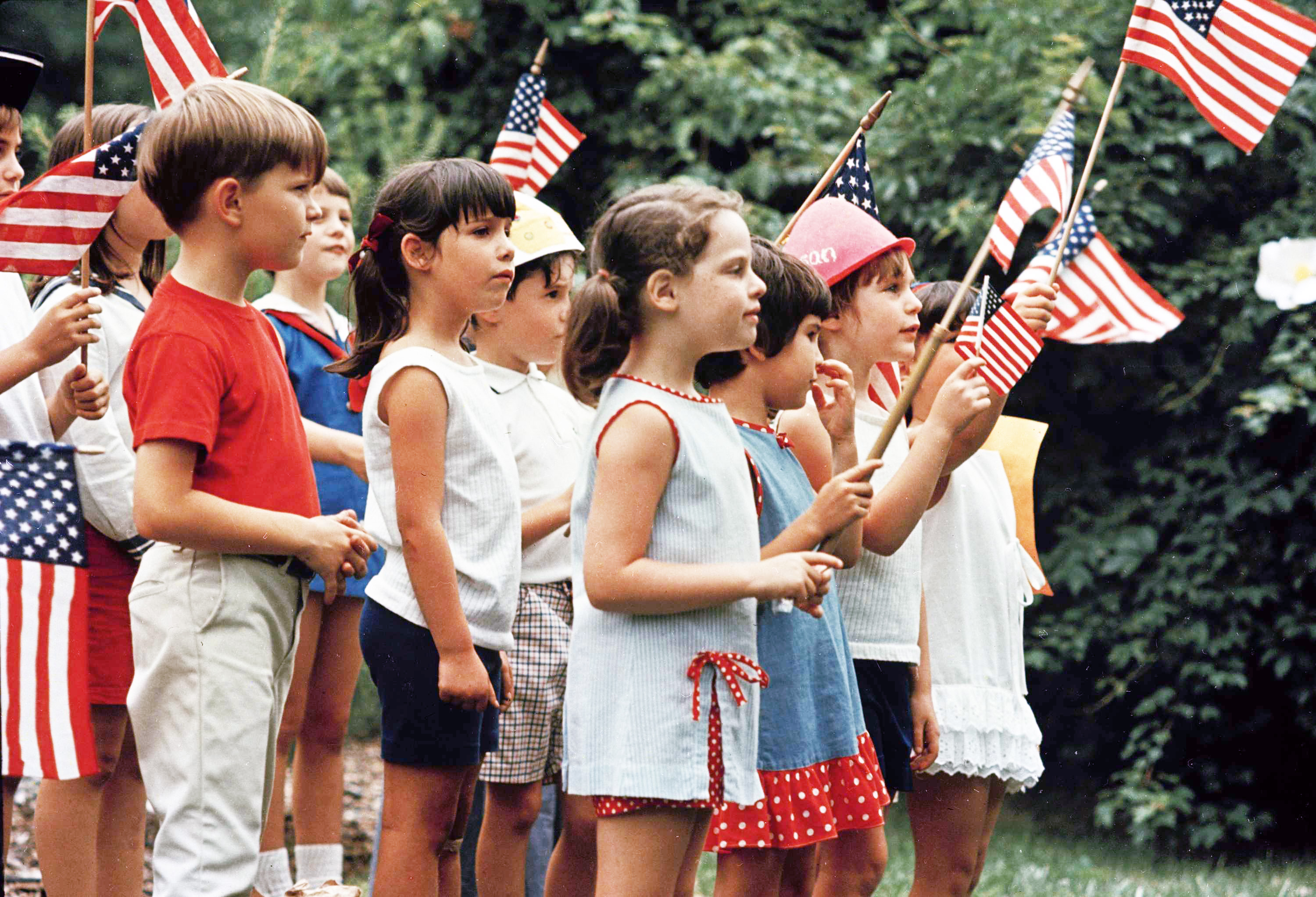
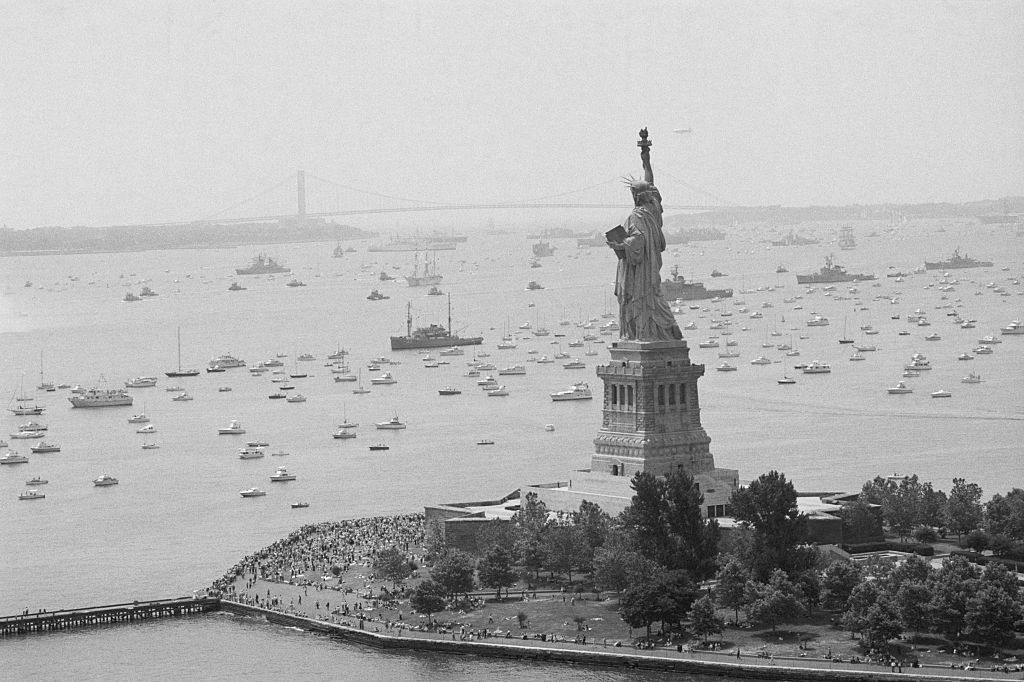
Those who remember those days will fondly recall CBS’ Bicentennial Minute, a series of daily, 60-second television segments that were supposed to stop airing on the Fourth of July but proved so popular they kept right on rolling through the end of the year. They remember the massive parades, the tall ships in New York Harbor, the school field trips, the commemorative quarters, the opening of the Smithsonian’s National Air and Space Museum in Washington, D.C., the flags waving from every newspaper ad promoting countless big bicentennial blowout sales (it was a great year to buy an appliance). Babies born in 1976 received special bicentennial-themed birth certificates that, to this day, are the envy of their siblings.
While patriotism still burns bright in many quarters of our country, our culture has coarsened and fragmented — and, sadly, for all the information at our fingertips, we’ve lost a firm grasp of even the most basic facts of U.S. history, particularly the events that produced America’s founding document in the summer of 1776, a watershed moment in human history.
The consequences of this indifference can be seen in polls like the one conducted recently by The Associated Press-NORC Center for Public Affairs Research, which found that 30% of Americans think there are better countries than the United States. That’s up from 19% who felt that way in 2016. The foreign tourists visiting the U.S. for the World Cup who are flooding social media with posts extolling the beauty and bounty of our country, and the warmth of ordinary Americans, will be the first to tell you how silly that is.
As American Catholics, we, too, fail to appreciate the vital role that Catholics and the Catholic Church and its institutions and apostolates have had in the founding, defense and strengthening of our Union.
To cite a few examples: Around the year 1542, Juan de Padilla, a Franciscan missionary from Spain, became the first martyr on U.S. soil when he was killed on the plains of present-day Kansas by local Native Americans. Some 25 years later, in 1565, the oldest city in America, St. Augustine, Florida, was established by Catholic explorers and missionaries. And Charles Carroll, one of the wealthiest men in the American colonies, risked his vast fortune, and his life, when he signed the Declaration of Independence in Philadelphia, the only Catholic to do so. We ought to know this history, which is too often overlooked in the social studies and history texts used in many schools today, including some Catholic ones.
Perhaps it’s no wonder, then, that America’s 250th birthday seems to lack the unity, excitement and fervor that marked the 200th, even though it’s a far greater milestone.
Our Semiquincentennial Year isn’t over yet, however. Let it be an occasion to celebrate our freedom, to rededicate ourselves to America’s founding principles, including religious liberty, and to thank God for the abundant blessings he continues to bestow on these United States.
